A signed deed in New York City typically takes one to two weeks to reach the public record, and the lag can stretch to several months during a filing backlog. That gap alone means the comparable sales, or comps, an agent pulls on a Tuesday afternoon are already missing whatever closed most recently, and in a building where a difference of ten floors can move a price by tens of thousands of dollars, a comp that is slightly wrong is not a rounding error.
A comp is a closed sale of a similar apartment, used as the evidence for what a similar unit is actually worth right now, not what a seller hopes it is worth. That distinction sounds obvious until you are staring at three listings that all call themselves "just like" the apartment in question and land $200,000 apart. I run my own analytics on listing data rather than outsourcing the pull, which is what makes the cross-checking fast enough to leave time for the judgment calls a spreadsheet cannot make. This guide covers what makes a comp valid in New York City specifically, where the underlying sale data actually lives, and where a comp you found yourself is likely to mislead you.
A Comp Is a Sale, Not an Opinion
A true comp has three non-negotiable qualities: it closed, it is recent, and it is genuinely similar in structure to the subject apartment. A listing that is still active does not qualify on its own, because an asking price is a request, not a result. An "in contract" listing is closer but still not final, since financing contingencies and attorney review can still change the number before closing. Only a recorded closed sale tells you what a buyer and seller actually agreed a specific unit was worth.
Similarity means more than bedroom count and square footage. A one-bedroom on a high floor with a renovated kitchen and a two-bedroom cut down from a larger layout on a low floor can carry the same listed square footage and still be worlds apart in what a buyer will pay. Every reliable comp analysis starts by throwing out anything that does not share the property type, and refining from there.
Why Same-Building and Same-Line Sales Carry the Most Weight
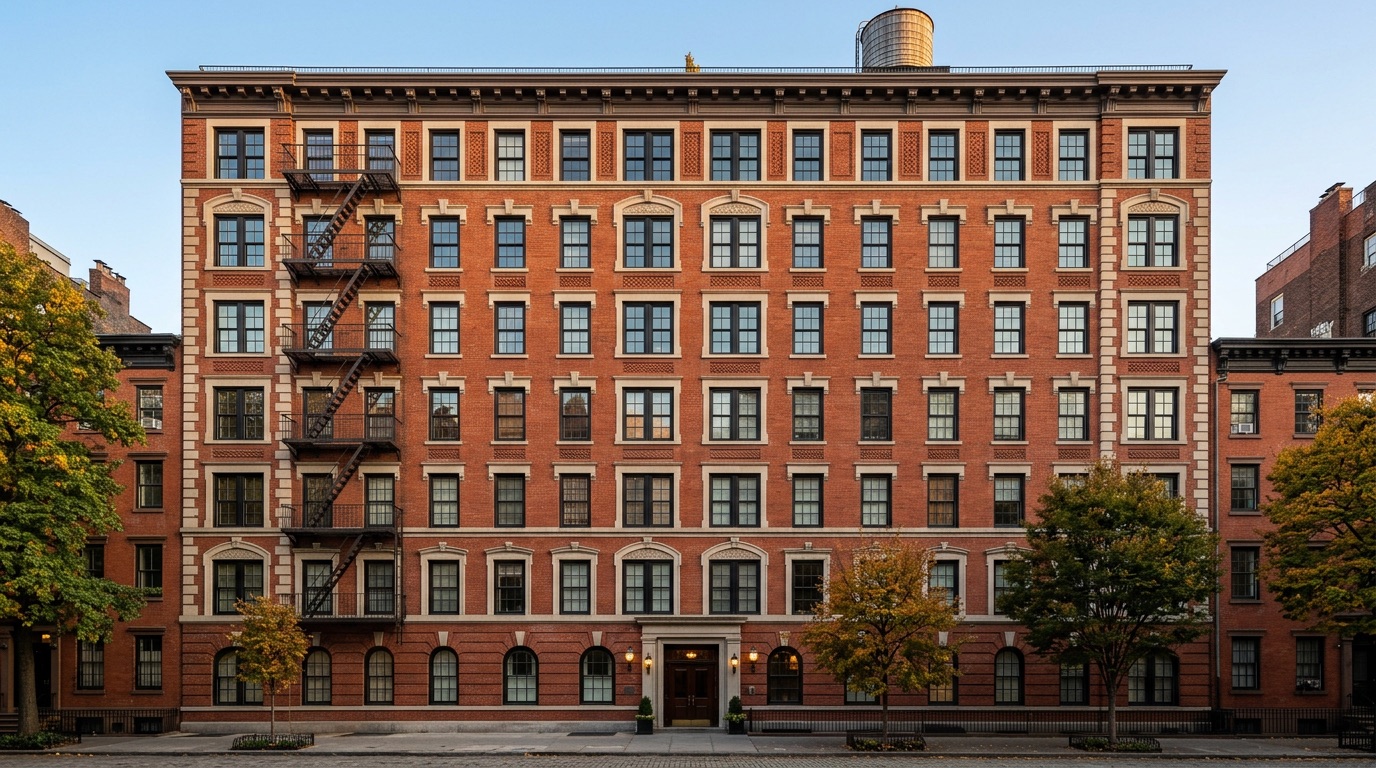
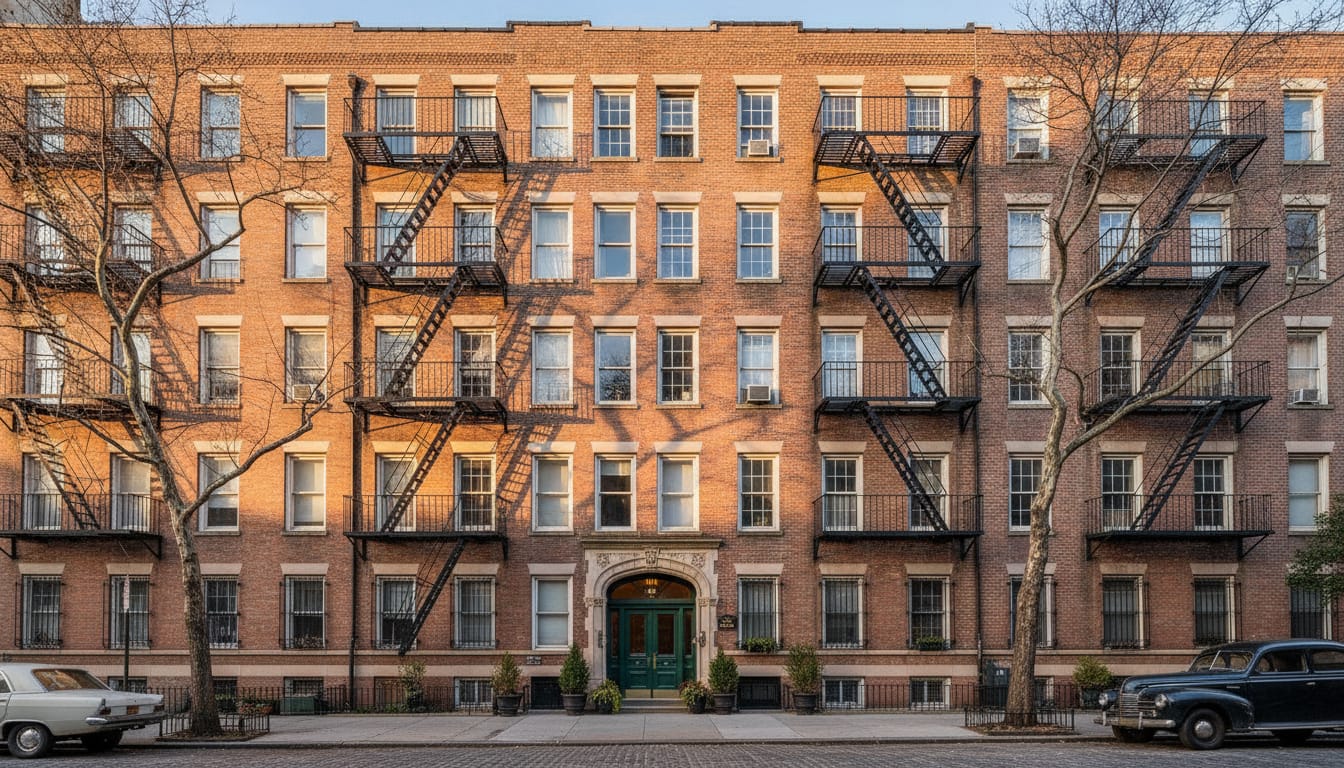
New York City has a structural advantage that most of the country does not: apartment buildings are frequently built with a repeating floor plan, so the same layout appears on every floor stacked in a column, commonly called a line. A sale of "the 6 line" three floors down from the subject unit is often the single best comp available, because it removes almost every variable except floor height, light, condition, and whatever renovation work has been done since the last sale.
Appraisers lean on this too. Lender guidelines for condominium appraisals call for at least one settled comparable sale from within the subject building or project when one exists, precisely because a same-building sale controls for the building's financials, amenities, and location in a way that a comp three blocks away cannot. When I am pricing a listing, I start with the building's own sales history before I ever look outside it, and for a full breakdown of how appraisers weigh the building itself against the wider market, see my NYC home appraisal guide.
When no same-line sale exists, the next best comp is a different line in the same building, then a comparable building on the same block or in the immediate radius with matching construction era, unit count, and amenity package. The further a comp has to travel from the subject building to find a match, the more adjustment work it needs and the less confidence it deserves.
What Makes a Comp Valid in NYC
- Closed, not active or in-contract: the recorded sale price, not the ask
- Recent: the closer to today, the less time-adjustment it needs
- Same building or same line first: controls floor plan, financials, and amenities
- Matching property type: co-op to co-op, condo to condo, never mixed
- Comparable condition tier: original, updated, or fully renovated, not compared across tiers without adjustment
The Adjustment Math Nobody Puts on the Listing Sheet
Once a comp is confirmed as closed and genuinely comparable, the work is not done. Every difference between the comp and the subject apartment gets translated into a dollar adjustment, added or subtracted from the comp's sale price to estimate what the subject apartment would have sold for under the same conditions. The categories that matter most in a New York City apartment are floor height, light and exposure, renovation level, outdoor space, and how much time has passed since the comp closed in a market that is moving.
The table below is an illustrative worked example only, built from made-up numbers to show the arithmetic. It is not a real transaction and should not be read as typical pricing for any building or neighborhood.
| Adjustment factor |
Comp vs. subject |
Adjustment |
| Comp sale price (same line, 5 floors lower) | Closed 3 months ago | $850,000 |
| Floor height | Subject is 5 floors higher, +$3,000/floor assumed | +$15,000 |
| Kitchen renovation | Comp had a renovated kitchen, subject does not | -$25,000 |
| Outdoor space | Subject has a balcony, comp does not | +$20,000 |
| Time-of-sale adjustment | Assumed 0.5%/month market movement over 3 months | +$12,750 |
| Adjusted comp value | | $872,750 |
Illustrative example only. Figures are assumed for teaching the adjustment method, not sourced from an actual sale.
Notice that a renovated kitchen and a balcony pulled the number in opposite directions, and the net adjustment on this single comp came to almost 3% of the sale price. Run three or four comps through the same process and average the adjusted values, and you get something closer to a defensible number than any single unadjusted sale price.

Recently Listed in NYC
Live data · Updated every 15 min · Source: REBNY RLS
View All
Listing information provided courtesy of the Real Estate Board of New York's Residential Listing Service (RLS).
Information is deemed reliable but not guaranteed. Sale listings verified.
©2026 REBNY. RLS data displayed by Keller Williams NYC.
Where the Sale Prices Actually Live: ACRIS and the Co-op Gap
Condo sales in New York City get recorded as deeds with the New York City Department of Finance, searchable free through ACRIS, the city's Automated City Register Information System. That record includes the recorded sale price, but it is not instant. A signed deed generally takes one to two weeks after an attorney files it to show up in ACRIS, and delays of several weeks to a few months are common enough that treating a "no recent sales" search result as proof nothing has closed is a mistake.
Co-op sales are a different story, and worth explaining honestly rather than glossing over. A co-op share is personal property, not real property, so a co-op sale does not get recorded as a deed at all. There is no ACRIS deed to search for a co-op closing. If the buyer financed the purchase with a loan, a UCC-1 financing statement gets filed against the shares and is recorded through ACRIS, showing the lender and the loan amount. That is a partial data point at best, since it reveals what was borrowed, not the full purchase price, and an all-cash co-op sale leaves no public financing record at all. Agents fill that gap with building-level sales history, portal listings, and relationships with other brokers who track what actually closed in a given line.
Why Your Agent's Comps and an Appraiser's Comps Can Disagree
It is common for a seller to hear one number from their agent and a lower number from the bank's appraiser weeks later. The two professionals are not doing the same job with the same rules.
An agent's comps
- • Can weigh active and in-contract listings to read current demand
- • Are chosen to support a pricing or negotiating strategy
- • Reflect firsthand knowledge from touring the unit and the building
- • Are not bound to one standardized selection method
An appraiser's comps
- • Must be settled, closed sales, not active or pending listings
- • Follow lender guidelines, including a preference for sales within roughly 90 days when available
- • Must include a same-project comp when one has sold
- • Document every adjustment on a standardized form, independent of transaction pressure
Neither approach is wrong. An agent's comp selection is built to answer "what will this apartment sell for," while an appraiser's comp selection is built to answer "what will a lender's collateral support," under a stricter and more conservative recency and settlement standard. When the two numbers diverge by more than a small margin, the gap is usually explained by one side including a comp the other side is not allowed to use. My appraisal guide covers what to do when that gap threatens a closing.
Pricing a Sale in NYC?
Comps are only the starting point. I run same-building sales history against current inventory before I recommend a number to a seller. Some of the deals I have closed are at miltoncoste.com/listings.
Get a Pricing Consultation
When a Comp Is Too Old to Use
A comp does not expire on a fixed calendar, but its reliability decays the moment the broader market moves. A sale that closed eight months ago in a market that has since had two rate cuts and a burst of new listings is telling you about a market that no longer exists. Lenders acknowledge this too: a settled sale within roughly the last 90 days is preferred when one is available, though an older sale can still be used if it is the best evidence on hand and the reasoning is documented.
The practical fix is the time-of-sale adjustment shown in the worked table above, treating market movement since the comp closed as its own line item rather than ignoring it. In a market moving quickly in either direction, a 6-month-old comp without a time adjustment is not conservative. It is simply stale.
What a Portal Shows vs. What Actually Closed
Public listing portals are a starting point for research, not a finished comp analysis. StreetEasy publishes closed sale prices on unit pages and in building sales histories, and that is the closest thing the public has to a free NYC comp set alongside ACRIS. A few gaps matter in New York City specifically. Portal data usually lags the true closing by the same weeks it takes a deed to reach ACRIS, so the most recent closings are often missing entirely. Some portals also carry a listing's original ask alongside a final sale price without making clear how many price reductions happened in between, which flattens a negotiation into a single misleading number. And a meaningful share of NYC sales activity, particularly among co-ops and off-market deals, never appears on a public portal at all.
None of that makes a portal search worthless. It makes it a first pass, not a final answer. Reading a building's full sales history, cross-checking against ACRIS filings, and accounting for deals that closed off-market are the steps that separate a genuine comp analysis from a number pulled off a search results page. If you are trying to price a home for sale rather than research the mechanics of comps, my pricing strategy guide and my apartment valuation guide walk through that process in full. Once you have a defensible number, the seller net proceeds calculator turns it into what you would actually take home, and the capital gains guide for NYC sellers covers what part of the gain is taxable. If you would rather have the comps run for you, that is what a seller consultation starts with.
Want a Real Comp Analysis, Not a Portal Guess?
I represent buyers and sellers across all five boroughs and the Hudson Valley, and I build every price recommendation from same-building sales history first. Some of the deals I have closed are at miltoncoste.com/listings.
Schedule a Consultation
Get NYC market insights delivered to your inbox
New listings, market data, and expert analysis. No spam.
We respect your privacy. Unsubscribe at any time.