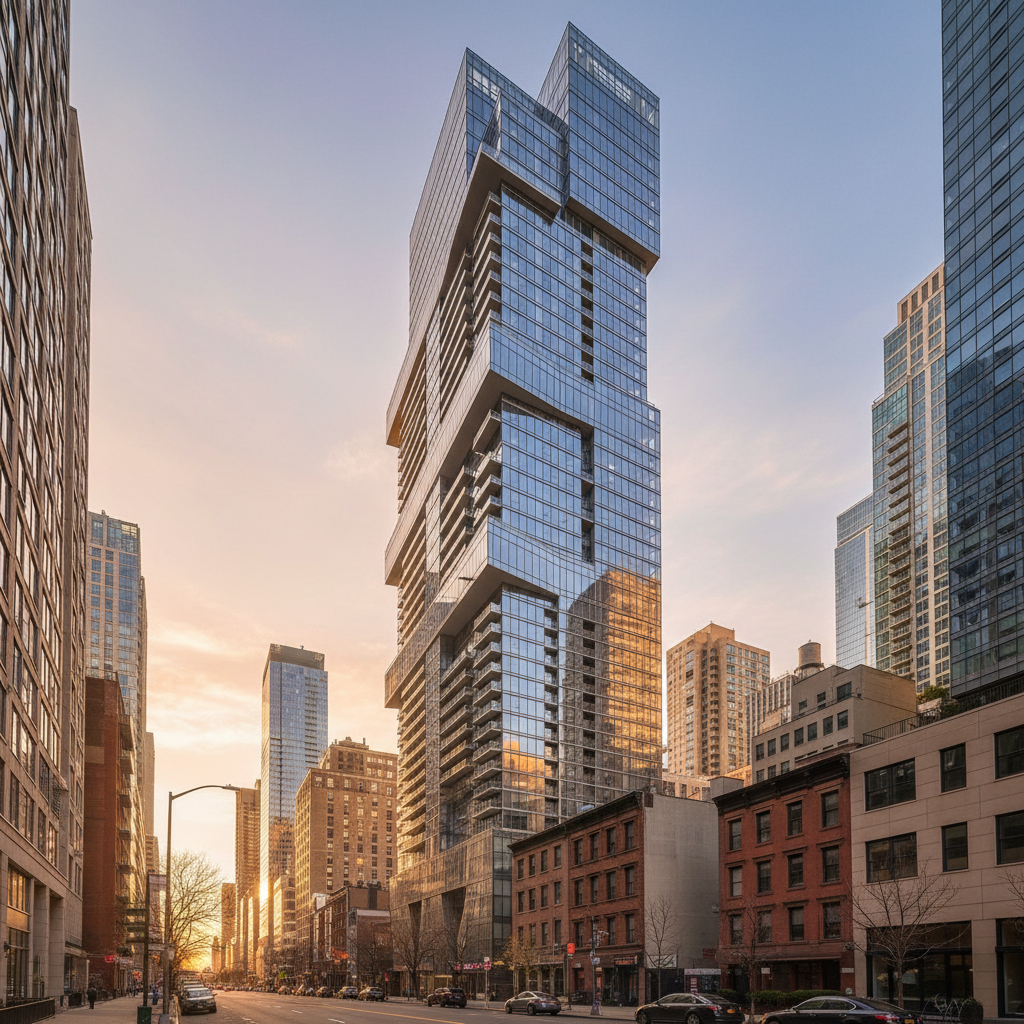
NYC condo owners with 421-a tax abatements save an average of $8,000 to $25,000 per year in property taxes, depending on the unit size and building location. As a Licensed Real Estate Associate Broker with Keller Williams NYC, I have watched buyers celebrate these low tax bills at closing and then face sticker shock years later when the abatement expires. In my 25+ years selling condos across Manhattan and Brooklyn, the 421-a expiration conversation is one I have at least once a week. This guide explains exactly what the tax abatement program is, how it works, and what every buyer needs to understand before purchasing a property with one.
What Is the 421-a Tax Abatement?
The 421-a program, officially known as the Affordable New York Housing Program in its later iterations, is a property tax exemption that incentivizes new residential construction in NYC. Created in 1971, it reduces property taxes on newly built residential buildings for a set period, typically 10, 15, 20, or 25 years depending on the program version and whether the building includes affordable housing units.
The abatement phases in gradually, meaning the property tax bill starts very low and increases over the benefit period until the building pays the full tax rate. For buyers, this means the monthly carrying cost you see at purchase is not the permanent cost: it will increase as the abatement phases in and eventually expires.
How the 421-a Phase-In Works
| Program Version | Total Benefit Period | Full Exemption Years | Phase-Out Period |
|---|---|---|---|
| Original 421-a (pre-2008) | 10-15 years | Varies | 2-year step-up |
| 421-a (2008-2016) | 15-25 years | 11-21 years | 4-year phase-out (20%/yr) |
| Affordable NY (2017-2022) | 25-35 years | Varies by option | Gradual phase-out |
| 485-x (2024+) | 35 years | Varies | Built-in phase-out |
Source: NYC HPD, Real Property Tax Law Section 421-a / 485-x
What Happens When 421-a Expires
When the abatement fully expires, the property gets assessed at its full market value under Class 2 tax rates. For a typical Manhattan condo, this can mean a monthly common charge increase of $500 to $2,000 or more. I advise every buyer to calculate the post-abatement tax bill before making an offer. The offering plan will include the abatement schedule, and your attorney should review it carefully.
Real-World Example
A two-bedroom condo in Long Island City purchased in 2016 with a 421-a abatement might have had annual property taxes of $2,400. As the abatement phases out in 2026, the annual tax bill could rise to $12,000 or more. That is an additional $800/month in carrying costs that the buyer needs to plan for.
New Construction Condos
Newly built condos in Manhattan and Brooklyn, many with active tax abatements
349 W 51ST Street #GARDENA
Hell's Kitchen
201 E 74TH Street #2A
Lenox Hill
Listing information provided courtesy of the Real Estate Board of New York's Residential Listing Service (RLS). Information is deemed reliable but not guaranteed. Sale listings verified. ©2026 REBNY. RLS data displayed by Keller Williams NYC.
How to Check If a Building Has a 421-a
There are three reliable ways to check:
- NYC DOF Property Inquiry: Search the address at propertyinquiry.finance.nyc.gov. The "Exemptions" section will show "421A" if the abatement is active, along with the start and end dates.
- Offering Plan: The condo's offering plan (filed with the NY Attorney General) contains the full abatement schedule, including exactly when the phase-in increases occur and when the benefit expires.
- Ask the listing agent: Any competent listing agent should know the abatement status and remaining years. If they cannot answer this question, that is a red flag.
485-x: The 421-a Replacement
After the 421-a program expired in June 2022, Albany passed the 485-x replacement as part of the 2024 state budget. The new program applies to construction that begins after June 2024 and includes stricter affordability requirements, prevailing wage mandates for construction workers, and a longer benefit period of up to 35 years.
For buyers, 485-x means new construction condos in Queens, Brooklyn, and Manhattan will continue to have tax abatements, but the terms differ from the older 421-a versions. The key takeaway: always verify which specific program version applies to the building you are considering.
What Buyers Should Do
Before purchasing any condo with a tax abatement, take these steps:
- Request the full abatement schedule from the offering plan
- Calculate your projected tax bill for years 5, 10, and post-expiration
- Factor the increasing tax into your long-term affordability model
- Compare the total carrying cost to similar buildings without abatements
- Read my guide to reading condo offering plans for a deeper walkthrough
Tax abatements are not inherently good or bad: they are a variable that must be modeled correctly. I have helped dozens of clients at Keller Williams NYC evaluate abatement timelines as part of the due diligence process. The key is understanding what your carrying costs will look like in year 5, year 10, and beyond. If you need help running these numbers on a specific property, contact me and we will work through it together.