Landmark brownstones, prewar co-ops, and investment properties in Upper Manhattan's best-kept secret
Milton Coste, Licensed Real Estate Associate Broker•Keller Williams NYC•NY Lic. #10301213304
March 2026• 8 min read•25+ Years Experience
Hamilton Heights brownstones trade at a median of $873,000, roughly 55% above the Upper Manhattan average of $565K,. I have sold in Upper Manhattan for 25+ years, and this corridor sits between Harlem and Washington Heights.
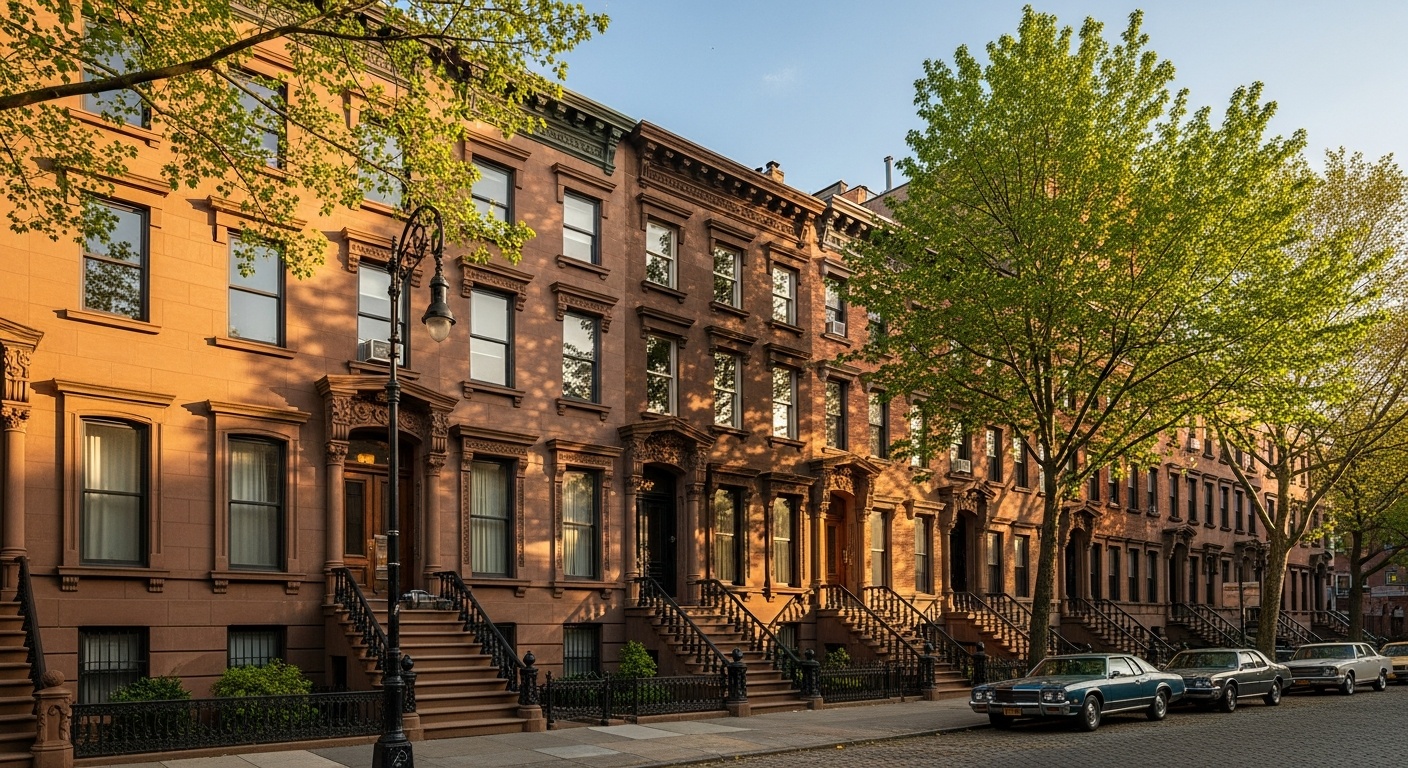
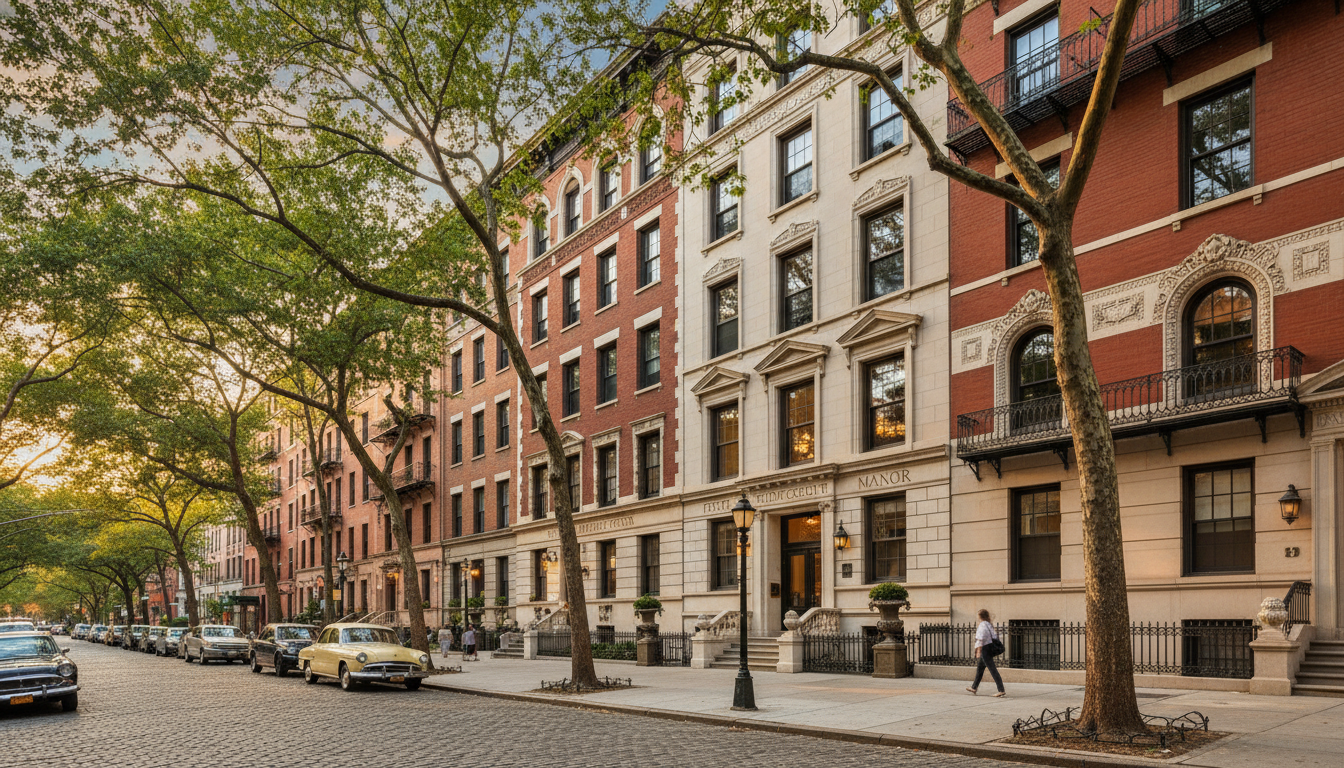
Named after Alexander Hamilton (whose former residence, Hamilton Grange National Memorial, still stands at 141st Street), the neighborhood spans from West 135th to West 155th Street, with the Hudson River to the west. The Hamilton Heights/Sugar Hill Historic District, designated by the NYC Landmarks Preservation Commission, protects several blocks of intact rowhouses.
Hamilton Heights vs. Upper Manhattan: Market Snapshot
Area
Median Sale Price
Year-Over-Year
Average Days on Market
Hamilton Heights
$873K
N/A
77
Upper Manhattan overall
$565K
↓ 13.7%
103
Washington Heights
$430K
↓ 21.8%
101
Inwood
$484K
N/A
54
Source: StreetEasy Market Reports, January 2026
Why Hamilton Heights Prices Sit Higher
The $873K median sits $308K above the Upper Manhattan figure of $565K. The 77-day average days on market is 26 days shorter than the Upper Manhattan average of 103.
The Architecture: What Buyers Need to Know
The rowhouses in the historic district date from the 1880s to the 1920s and carry ornamental cornices, carved lintels and a high entry stoop. See our complete brownstone buying guide.
What to Check on a Walkthrough
Structural indicators
• Condition of the original stone on the facade and stoop
• Age of the roof membrane
• Foundation walls in the cellar (look for water infiltration)
Original detail that carries value
• Intact plaster moldings and ceiling medallions
• Original pocket doors and wood mantelpieces
• Parlor floor ceiling height and bay window
Read the Certificate of Occupancy: a legal three-family property carries a different financing path than a building with an illegal conversion. Pull Department of Buildings records before you submit an offer, and use our due diligence checklist for the steps.
What You Can Buy in Hamilton Heights
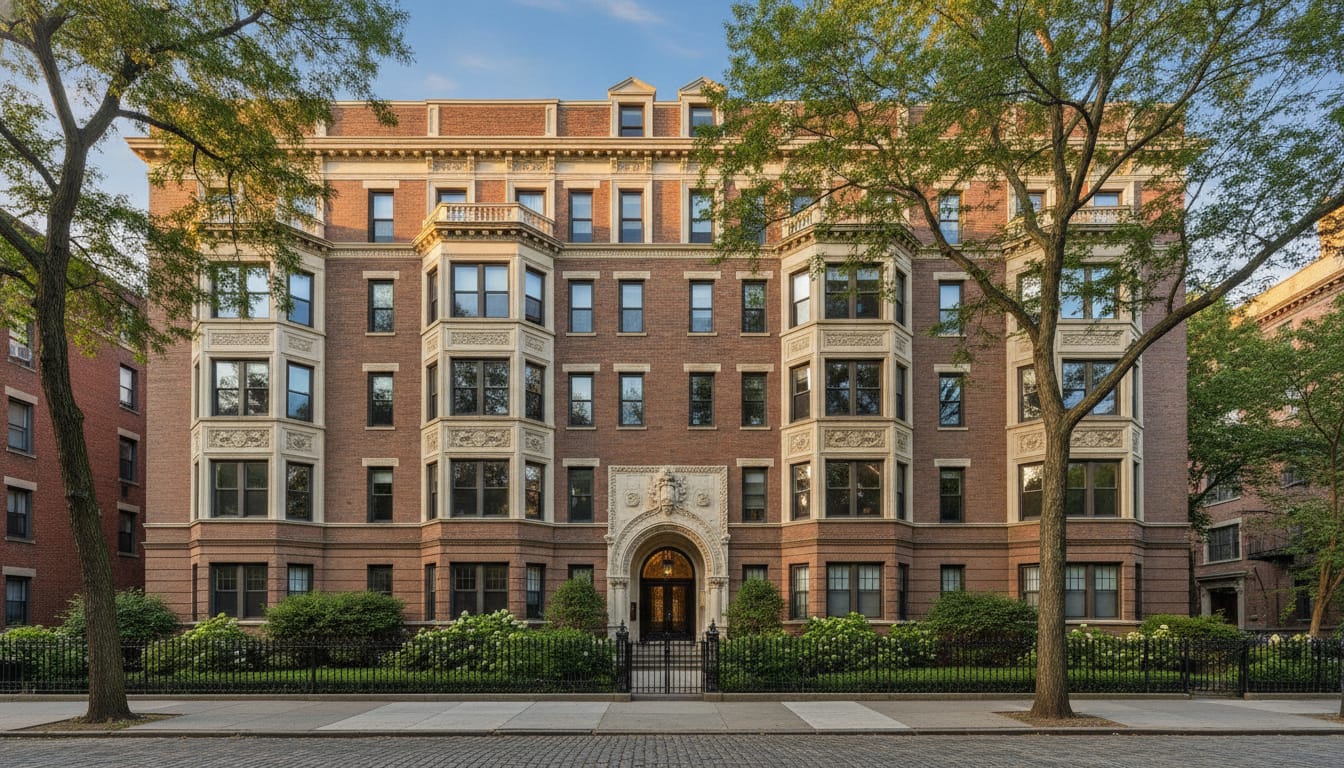
Inventory splits into prewar co-ops (one and two bedrooms), two- to four-family brownstones, and new construction condos.
A multifamily house lets an owner-occupant live in one unit and collect rent on the others, which offsets part of the mortgage and carrying costs. Above $1M the buyer also owes the New York State mansion tax; run it through the NYC mansion tax calculator to set a cash-to-close budget. See our 2 to 4 unit investment guide.
Transit and the Daily Commute
The A, B, C and D lines stop at 145th Street and the 1 train at 137th Street. The M3, M4 and Bx19 buses connect east-west destinations and the Bronx. The George Washington Bridge, reached via 155th Street, feeds into New Jersey,.
What Sits Nearby
Riverbank State Park is a 28-acre park built over the Hudson with an Olympic-size pool, skating rink and waterfront esplanade. St. Nicholas Park runs along a wooded hillside from 128th to 141st Street. The Gothic Revival City College campus anchors the eastern edge.
Three Purchase Complications
Landmark restrictions: inside the historic district, any exterior change, including windows, facade or stoop, needs Landmarks Preservation Commission review, which adds time to the construction schedule.
Co-op rules: each co-op sets its own reserve and subletting rules, so read the house rules and financial statements. Our board interview guide covers the application documents.
Condition gaps between houses: price depends on renovation level, so order a structural inspection, not just the standard home inspection. Budget for it with our closing cost breakdown.
Author Bio:
Milton Coste is a Licensed Real Estate Associate Broker with Keller Williams NYC and over 25 years of experience in New York City real estate. He works in English and Spanish.
Active Listings
Active Listings in Hamilton Heights
Listings sourced live from REBNY RLS. All listings verified active at time of viewing. Updated daily.
Equal Housing Opportunity. We are pledged to the letter and spirit of U.S. policy for the achievement of equal housing opportunity throughout the Nation. Milton Coste and Keller Williams NYC are committed to full compliance with the Federal Fair Housing Act (42 U.S.C. §§ 3601-3619), the New York State Human Rights Law (Executive Law, Article 15), and the New York City Human Rights Law (Title 8, NYC Administrative Code).
Financial & Market Data Disclaimer: All financial figures, market statistics, price estimates, and rental rates are sourced from StreetEasy Market Reports and provided for informational purposes only. Market conditions change frequently. This content does not constitute financial, tax, investment, or legal advice. Consult a licensed financial advisor, CPA, or attorney before making financial decisions. Published in accordance with 19 NYCRR Part 175 (NY DOS Real Estate Broker Advertising Regulations). Milton Coste operates as a Licensed Real Estate Associate Broker under the supervision of Keller Williams NYC.
Content published: February 2026 · Milton Coste · Keller Williams NYC · License No. 10301213304
More Active Listings in Hamilton Heights
Brownstones, co-ops, and condos in one of Manhattan's best-value neighborhoods
Send the address you are looking at. The report covers what the listing leaves out: the recorded sale history, the tax and abatement picture, open building violations and permits, and the closed sales that set the price. Milton prepares it from public records. No obligation.
Get NYC market insights delivered to your inbox
New listings, market data, and expert analysis. No spam.