Buying a Pre-War Apartment in NYC: What to Know Before You Offer
What pre-war construction actually gets you, the building costs to check first, and the features that move a pre-war unit's price
Milton Coste, Licensed Real Estate Associate Broker•Keller Williams NYC•NY Lic. #10301213304
July 22, 2026• 7 min read•25+ Years Experience
Pre-war apartments draw buyers for the construction quality newer buildings rarely match, but the smart pre-war buyer spends as much time on the building's finances as on the moldings. A beautifully detailed pre-war unit in a building with a large underlying mortgage, a looming facade repair, or a thin reserve fund can cost you far more over time than a plainer apartment in a well-run building. Over 25+ years selling pre-war co-ops and condos across Manhattan, Brooklyn, and Queens, I have seen the charm sell the apartment and the building financials decide whether it was a good buy.
Here is what pre-war construction actually gets you, the building-level costs every pre-war buyer should check before making an offer, and the features that move a pre-war unit's price.
What "Pre-War" Actually Means
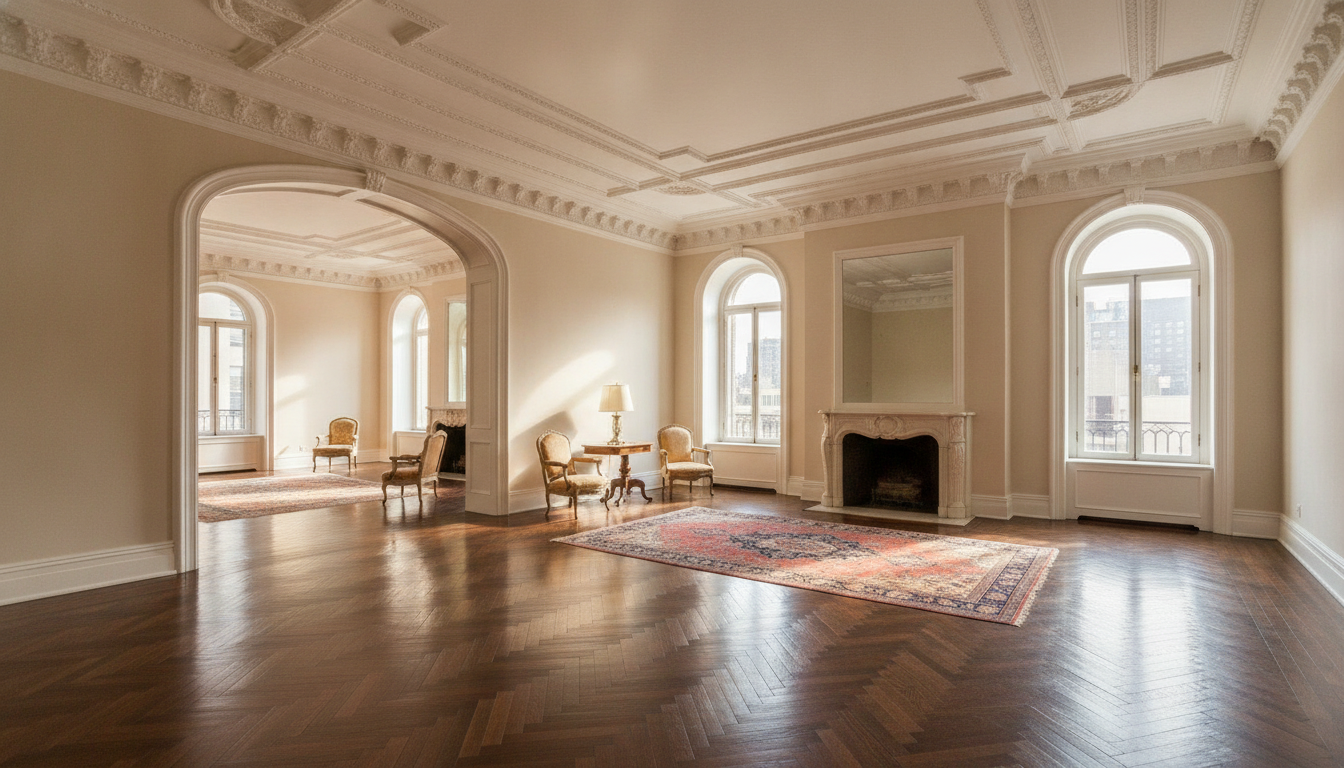
Pre-war refers to buildings constructed before roughly 1940, and the term is shorthand for a construction style, not just an age. The hallmarks: thick masonry walls that block sound between units, higher ceilings than most post-war construction, hardwood floors, plaster walls, and detail work like crown moldings, arched doorways, and original hardware. Layouts tend to be more defined, with separate rooms rather than the open plans common in newer construction. That build quality is the entire appeal, and it is real, thick walls and 9-foot-plus ceilings are genuinely hard to find in newer stock.
Pre-war strengths
• Thick walls and better sound isolation between units
• Higher ceilings and larger, more defined rooms
• Hardwood floors and original detail work
• Often larger per-square-foot value than newer construction
Pre-war trade-offs
• Older building systems can mean future capital costs
• Fewer amenities than newer full-service buildings
• Kitchens and baths may need updating
• Most pre-war stock is co-op, so board approval applies
The Building Costs to Check First
The single biggest pre-war buying mistake is falling for the apartment and ignoring the building. Older buildings carry older systems, and the cost of maintaining them lands on you through maintenance, common charges, and special assessments. Before you offer, get the building's financials and look hard at a specific list of items, because a pre-war building's future costs can dwarf the price difference between two units.
Pre-War Building Financial Checklist
Underlying mortgage: the balance and when it comes due, for a co-op
Reserve fund: is it healthy enough to absorb a major repair?
Facade work: older buildings face recurring Local Law 11 facade inspection and repair cycles
Recent or planned assessments: what has been billed, and what is coming?
Building systems: age of the boiler, roof, elevators, and plumbing risers
For a co-op, all of this sits inside the board package and the building's financial statements, which your attorney and you should review carefully before contract. If you are choosing between a pre-war co-op and a newer condo, the ownership structure changes your buyer pool and your flexibility too; I compare them in co-op vs condo in NYC.
What Moves a Pre-War Unit's Price
Within a pre-war building, the features that move price are the ones the construction era does especially well plus the condition of the unit itself. Light and exposure matter, high floors and open exposures command a premium. Ceiling height, intact original details, and a smart layout that keeps the pre-war room definition without feeling choppy all add value. Renovation quality is a swing factor: a thoughtfully updated kitchen and bath in a pre-war unit adds more than the same work in newer construction, because buyers pay for pre-war character with modern function. A dated but structurally sound pre-war apartment prices lower, but often represents better value for a buyer willing to renovate.
These are exactly the details automated estimates cannot read, which is why pre-war valuations need a real comp analysis of the specific unit and building, not an algorithm. I lay out that method in how much your apartment is worth. And because pre-war inventory turns over on its own seasonal rhythm, timing your search matters; I cover that in the best time to buy an NYC apartment.
Active NYC Listings
Pre-war and classic apartments across the boroughs
Pre-war stock is spread across Manhattan, brownstone Brooklyn, and the prewar co-op belts of Queens like Forest Hills, Rego Park, and Kew Gardens. If pre-war character is what you want, a focused search saves time, since a lot of newer inventory will not fit. You can browse current pre-war listings on the pre-war search page.
Looking for a Pre-War Apartment in NYC?
I will read the building financials with you as closely as the apartment, so the pre-war charm you are paying for does not come with a repair bill you did not see coming.
Pre-war apartments earn their reputation on build quality, but the building behind the apartment decides whether that quality is a good buy. Check the financials as carefully as the moldings, price the unit on real comps, and pre-war becomes what it should be: lasting construction at a value newer buildings struggle to match.
More Active NYC Listings
Pre-war and classic apartments across the boroughs
Send the address you are looking at. The report covers what the listing leaves out: the recorded sale history, the tax and abatement picture, open building violations and permits, and the closed sales that set the price. Milton prepares it from public records. No obligation.
Get NYC market insights delivered to your inbox
New listings, market data, and expert analysis. No spam.