What boards look for, how to prepare your package, and questions you'll actually be asked
Milton Coste, Licensed Real Estate Associate Broker•Keller Williams NYC•NY Lic. #10301213304
April 2026• 8 min read•25+ Years Experience
A co-op board interview usually lasts 30 minutes to an hour, and the board can take anywhere from a few days to a few weeks to decide. That meeting follows a full board package, and most declines trace to the documents, not the conversation. In 25 years in NYC real estate, I have helped buyers prepare the paperwork for these meetings. This guide covers what the board reviews, how to prepare, and what to do while you wait.
Key Takeaway: Most board rejections aren't personal; they're based on financial concerns, incomplete paperwork, or inconsistent information. A properly prepared board package with clear income documentation and strong references dramatically increases your approval odds. A board rejection puts the listing back on the market; buyers evaluating those listings should read the BOM (back on market) guide to understand what it signals and how to approach the situation.
The Co-op Interview Format
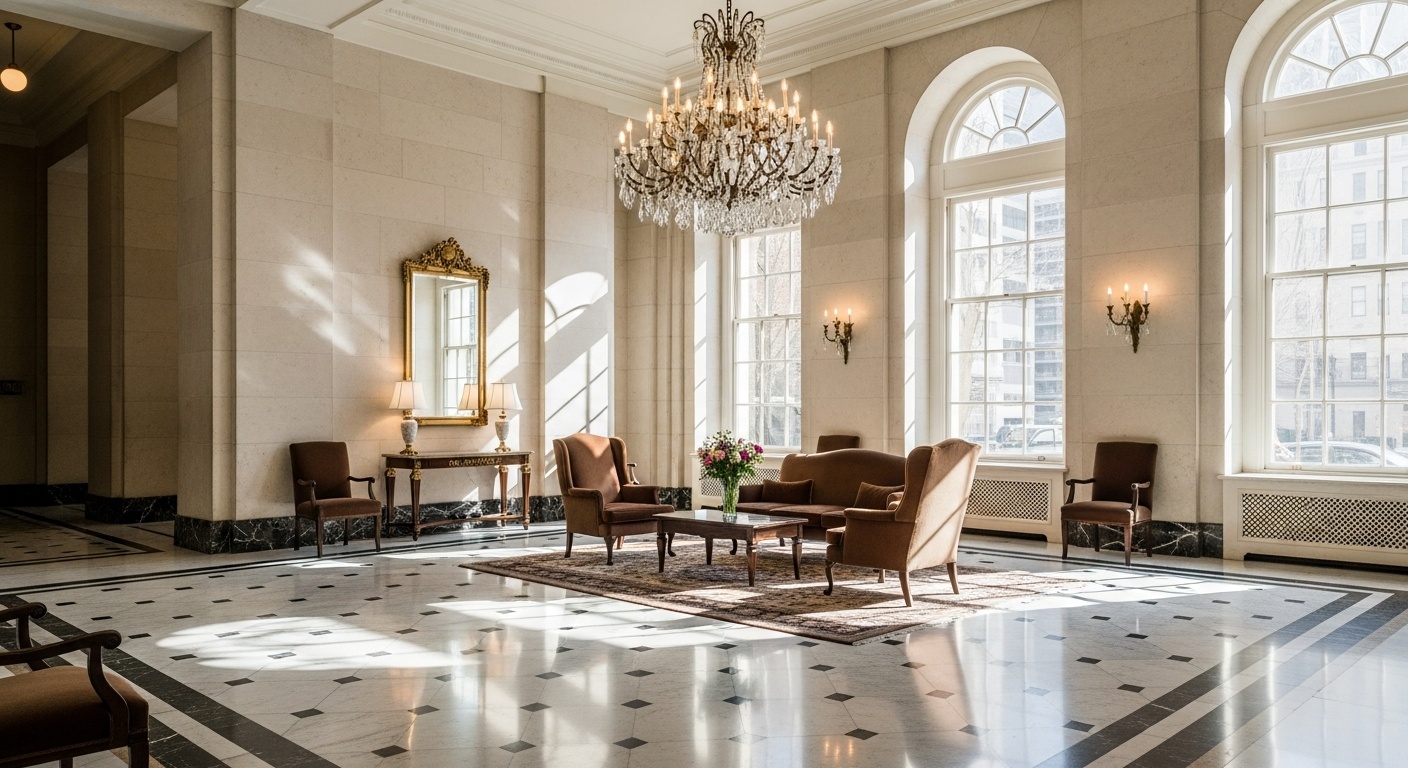
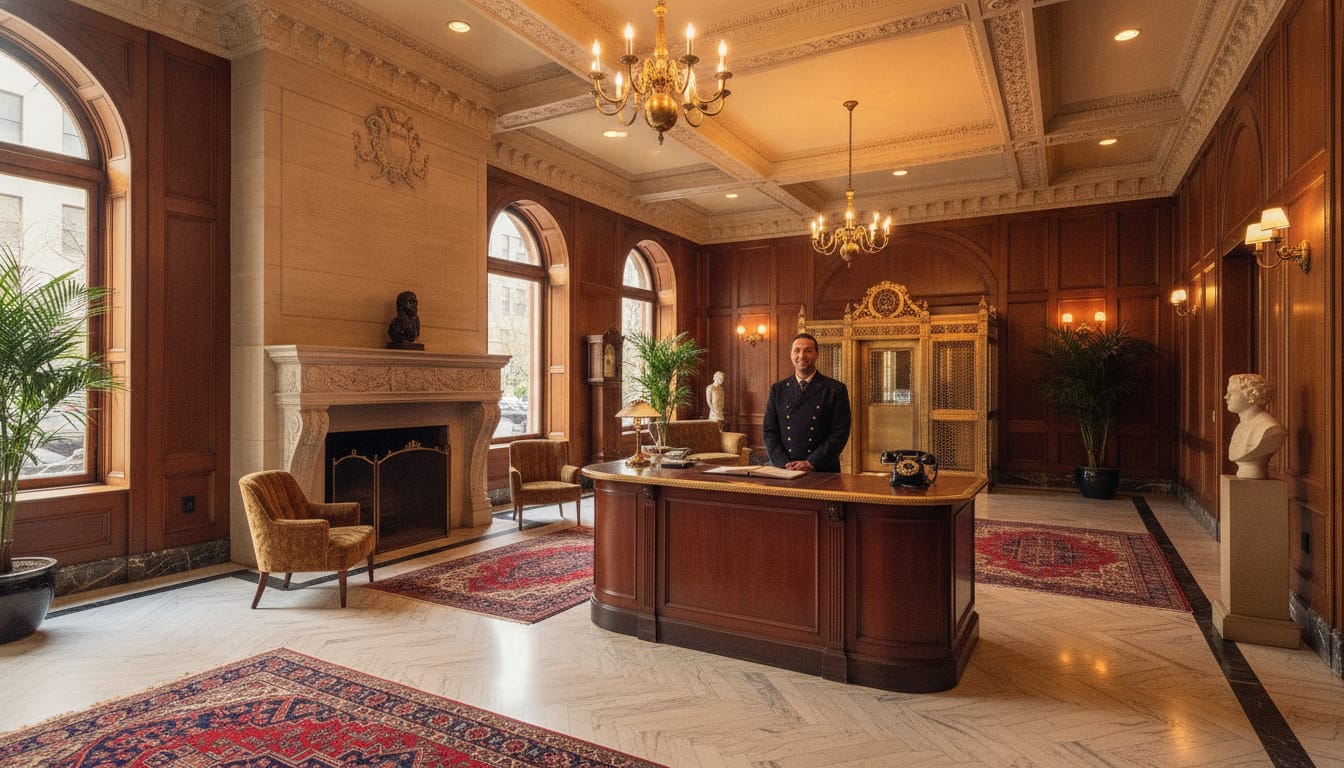
The interview is a meeting between prospective buyers and the board of the co-operative housing corporation. It is the board's chance to confirm the application and ask follow-up questions about it. It may happen in person or virtually, with a small group of board members and a mix of formal and informal questions.
What Boards Look For
Fair Housing Notice: Co-op boards are subject to all applicable federal, state, and local fair housing laws. Boards may not reject applicants based on any protected characteristic, including race, color, religion, national origin, sex, disability, familial status, age, sexual orientation, gender identity or expression, marital status, military status, citizenship status, or source of income. Boards also may not ask questions during the interview that relate to these protected characteristics. If you believe you have been rejected for discriminatory reasons, contact the NYC Commission on Human Rights at (212) 416-0197.
Within the limits of fair housing law, a board's review generally covers these items:
Financial documents: the package contains income records, bank statements, tax returns, and the unit's monthly maintenance and any assessments.
Application details: Boards may ask follow-up questions about the occupation and move date listed in your application.
References: personal and professional reference letters are included, and boards may contact the references to verify them.
Building rules: the package confirms the house rules and the care of the property.
Housing plans: Boards may ask about general housing plans. They may not legally ask about family planning, pregnancy or other matters that relate to familial status or other protected characteristics.
How to Prepare for a Co-op Board Interview
1. Gather Your Financial Documents
A well-organized financial package shows the board you are serious. Our mortgage pre-approval and budgeting guide lists the documents lenders and boards expect. The standardized financial disclosure form most boards require is broken down line by line in the REBNY financial statement guide.
Document
Purpose
Recent Pay Stubs
Proof of income
Tax Returns (last 2 years)
Evidence of financial stability
Bank Statements
Verification of available funds
Letter of Employment
Confirmation of job status and salary
Personal Financial Statement
Overview of assets and liabilities
Keep the documents current and put them in a binder you can open during the interview.
2. Learn the Building's Rules
Each co-op has its own rules on pets, renovations and subletting, and knowing them tells you whether the building fits. You can usually learn the culture from current residents or online forums, and an open house or building meeting helps. Use our due diligence checklist for condos as a framework for which financial and operational documents to review.
3. Prepare for Common Questions
Each board has its own questions, but these come up often:
Why are you interested in this building?
Can you confirm the employment details on your application?
Do you understand the building's house rules?
Do you have any questions for us?
Practice your answers out loud with a friend or family member.
4. Dress Professionally and Arrive Early
Wear business attire, such as a suit or a dress shirt with slacks or a professional dress, and arrive 10 to 15 minutes early. Plan your route in advance. For a virtual interview, test your technology and choose a private, well-lit spot.
5. Engage With the Board
Ask about building events, committees or projects, which shows you plan to be an active member. Briefly explain why you want to buy in that particular building. Keep eye contact and listen closely to the answers.
What Happens After the Interview
Follow-Up Etiquette
If you haven't heard back within a week, send a short follow-up email to the managing agent confirming receipt and offering any further documents. A short version works:
Subject: Thank You for the Opportunity
Dear [Board Member's Name],
Thank you for the opportunity to interview for [Co-op Name]. I enjoyed our discussion and learning more about the community. I look forward to hearing from you.
Best regards, [Your Name] [Your Contact Information]
Timeline
Boards often take a few days to a few weeks to decide, depending on their schedule and the number of applicants. If you haven't finalized a purchase yet, keep searching while you wait.
Active Co-op Listings in NYC
Your next co-op might be here: start preparing your board package
The board weighs your finances, your references and the quality of your package, and the interview is the last of those checks. If you're still weighing whether a co-op or condo is right for you, review our comparison guide before starting the board process. Once approved, the lender's recognition agreement is the step most buyers overlook until it delays their closing: the Aztech recognition agreement guide explains how to get it in the pipeline early.
About the Author
Milton Coste is a Licensed Real Estate Associate Broker with Keller Williams NYC. He has worked in NYC real estate since November 2001 and is bilingual in English and Spanish.
Active Listings
Active Listings in Manhattan
Listings sourced live from REBNY RLS. All listings verified active at time of viewing. Updated daily.
Equal Housing Opportunity. We are pledged to the letter and spirit of U.S. policy for the achievement of equal housing opportunity throughout the Nation. Milton Coste and Keller Williams NYC are committed to full compliance with the Federal Fair Housing Act (42 U.S.C. §§ 3601-3619), the New York State Human Rights Law (Executive Law, Article 15), and the New York City Human Rights Law (Title 8, NYC Administrative Code).
Financial & Market Data Disclaimer: All financial figures, market statistics, price estimates, and rental rates are sourced from StreetEasy Market Reports and provided for informational purposes only. Market conditions change frequently. This content does not constitute financial, tax, investment, or legal advice. Consult a licensed financial advisor, CPA, or attorney before making financial decisions. Published in accordance with 19 NYCRR Part 175 (NY DOS Real Estate Broker Advertising Regulations). Milton Coste operates as a Licensed Real Estate Associate Broker under the supervision of Keller Williams NYC.
Content published: February 2026 · Milton Coste · Keller Williams NYC · License No. 10301213304
More Active Co-op Listings in NYC
Your next co-op might be here: start preparing your board package
Send the address you are looking at. The report covers what the listing leaves out: the recorded sale history, the tax and abatement picture, open building violations and permits, and the closed sales that set the price. Milton prepares it from public records. No obligation.
Get NYC market insights delivered to your inbox
New listings, market data, and expert analysis. No spam.