Washington Heights Real Estate: A Co-op Buyer's Guide (2026)
Co-ops are most of what trades in Washington Heights. Here is how to buy one, from board package to closing.
Milton Coste, Licensed Real Estate Associate Broker•Keller Williams NYC•NY Lic. #10301213304
May 22, 2026• 8 min read•25+ Years Experience
Forty-four of the 65 homes for sale in Washington Heights right now are co-ops. That is 68% of the active market. If you are shopping for Washington Heights real estate and you have only bought or browsed condos, you are about to spend most of your time looking at a different kind of ownership, with a different set of rules.
I live in Washington Heights and grew up uptown, in Inwood and Washington Heights. Over two decades brokering NYC, the question I hear most from buyers headed uptown is some version of the same one: why is almost everything a co-op, and what does that change? This guide answers it with current numbers and the steps that actually matter.
The Washington Heights co-op market right now
Here is the live picture for Washington Heights co-ops, pulled the week this guide was written.
Washington Heights co-ops
Figure
Active co-op listings
44
Median active asking price
$525,000
Median recent closed price
$520,000
Average price per square foot at close
$615
Co-op share of all active listings
68%
Source: RLS/REBNY via Trestle, pulled May 2026. Listing data deemed reliable but not guaranteed.
The gap between the median asking price and the median closed price is narrow, which tells you sellers and buyers are landing close to each other on price. That is a market where a well-prepared offer gets taken seriously.
Why most Washington Heights listings are co-ops
Washington Heights filled in with apartment buildings well before the condo structure existed in New York. Many of those prewar buildings later converted to co-op ownership, and co-ops stayed the dominant form. When you buy a co-op, you are not buying real property. You are buying shares in a corporation that owns the building, plus a proprietary lease on your specific apartment.
That structure is the reason co-ops usually cost less per square foot than comparable condos, and it is also the reason the buying process has an extra gate: the board. If you are still deciding which form fits you, my co-op vs condo breakdown walks through the trade-offs in detail.
Co-op vs HDFC co-op: know which one you are looking at
Some Washington Heights co-ops are HDFC co-ops, which carry income limits and resale rules in exchange for lower prices. They are a real path for the right buyer, but they are not the same product as a standard co-op, and a listing does not always make the distinction obvious.
Standard co-op
No income cap on buyers
Board sets financing limits (often 20% to 25% down minimum)
Resale priced by the open market
HDFC co-op
Household income cap, set by the building
Often stricter down payment and cash rules
Resale rules and a flip tax on the way out
I have done HDFC deals, so I can tell you the income math early and save you from falling for an apartment you cannot actually buy. If an HDFC purchase is on your radar, read the full HDFC co-op guide before you tour anything.
Not sure which Washington Heights co-ops you qualify for?
Send me your budget and financing picture. I will tell you which buildings are realistic, standard or HDFC, before you spend a single Saturday touring.
Every co-op purchase runs through a board package and, in most buildings, an interview. The package is a thorough financial file: tax returns, bank and brokerage statements, pay verification, reference letters, and a breakdown of your assets after closing. Boards want to see that you can carry the apartment, not just buy it.
Two numbers decide most applications. The first is the down payment minimum the building requires. The second is your debt-to-income ratio, which most Washington Heights boards want at or below 25% to 30%. Get those right and the package is mostly paperwork. Get them wrong and the board can decline without giving a reason. My co-op board interview guide covers how to prepare for the meeting itself.
Reading a prewar building before you bid
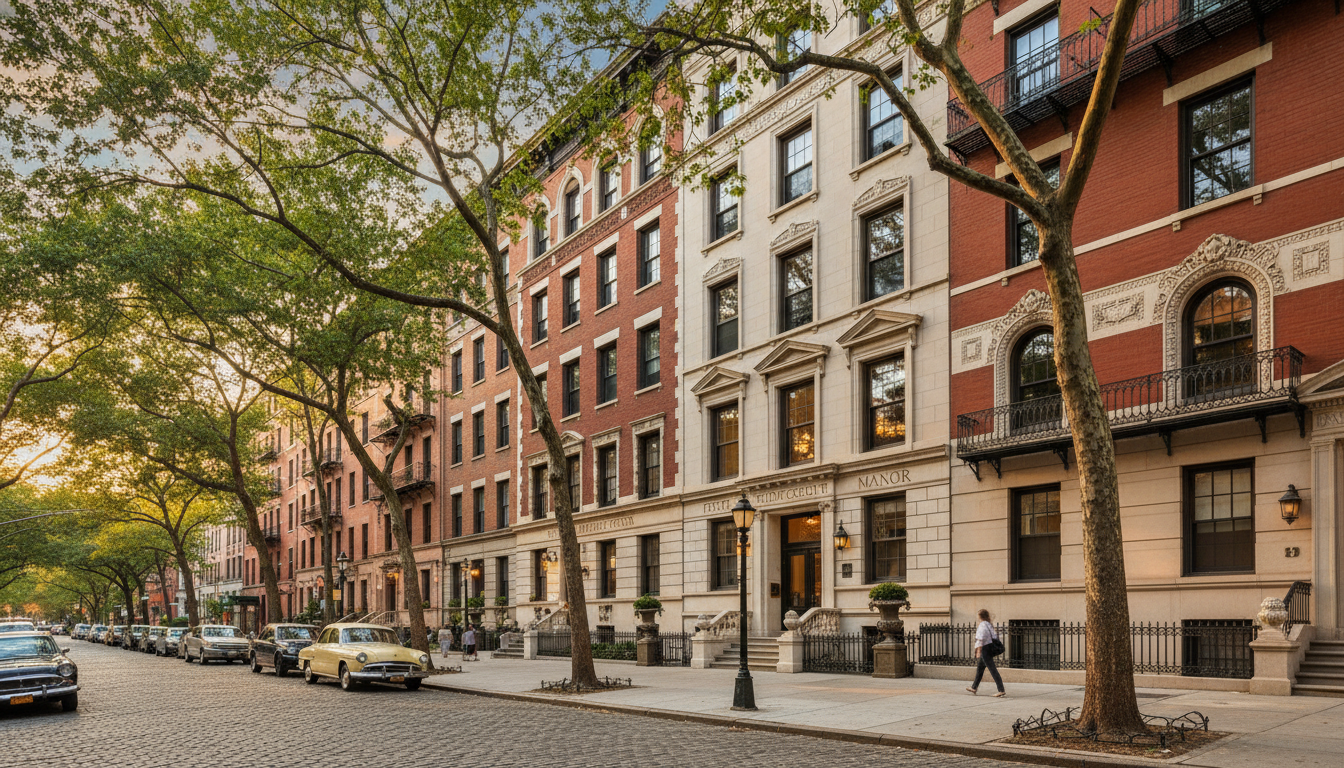
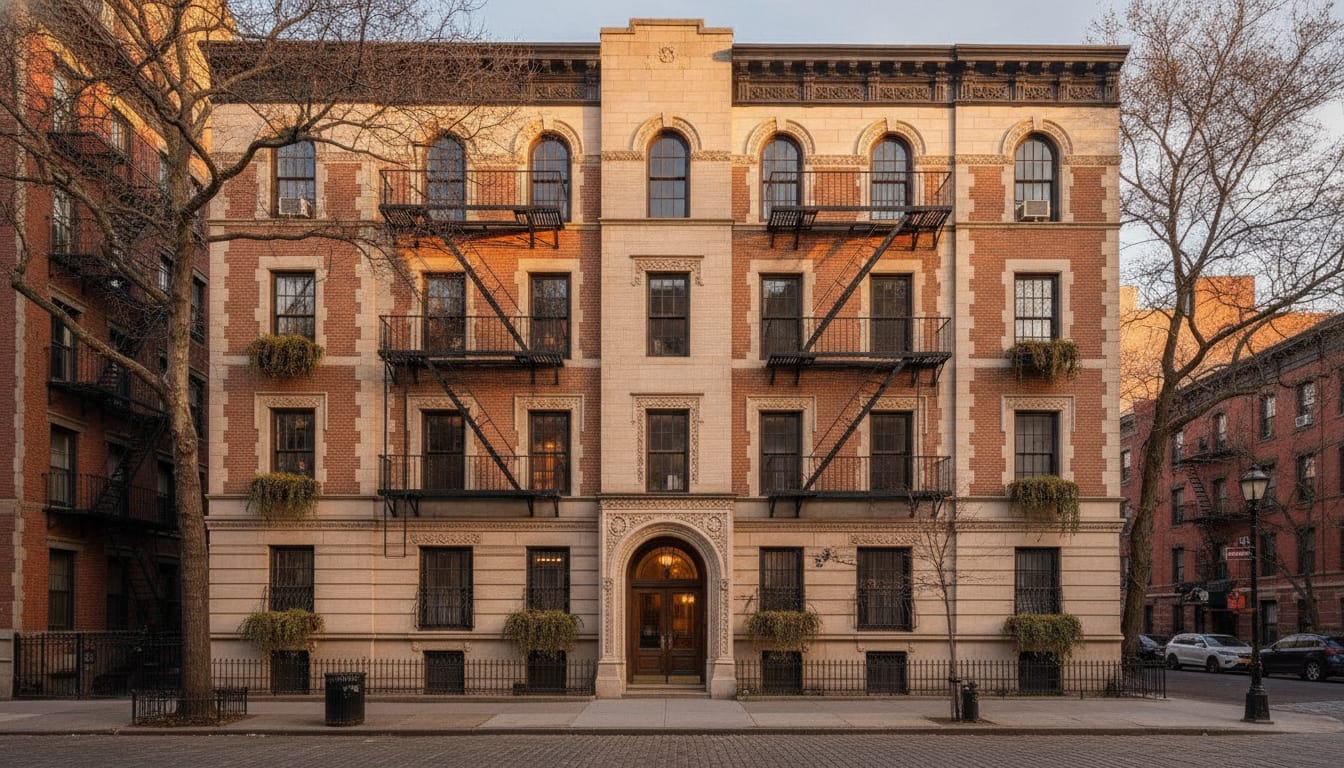
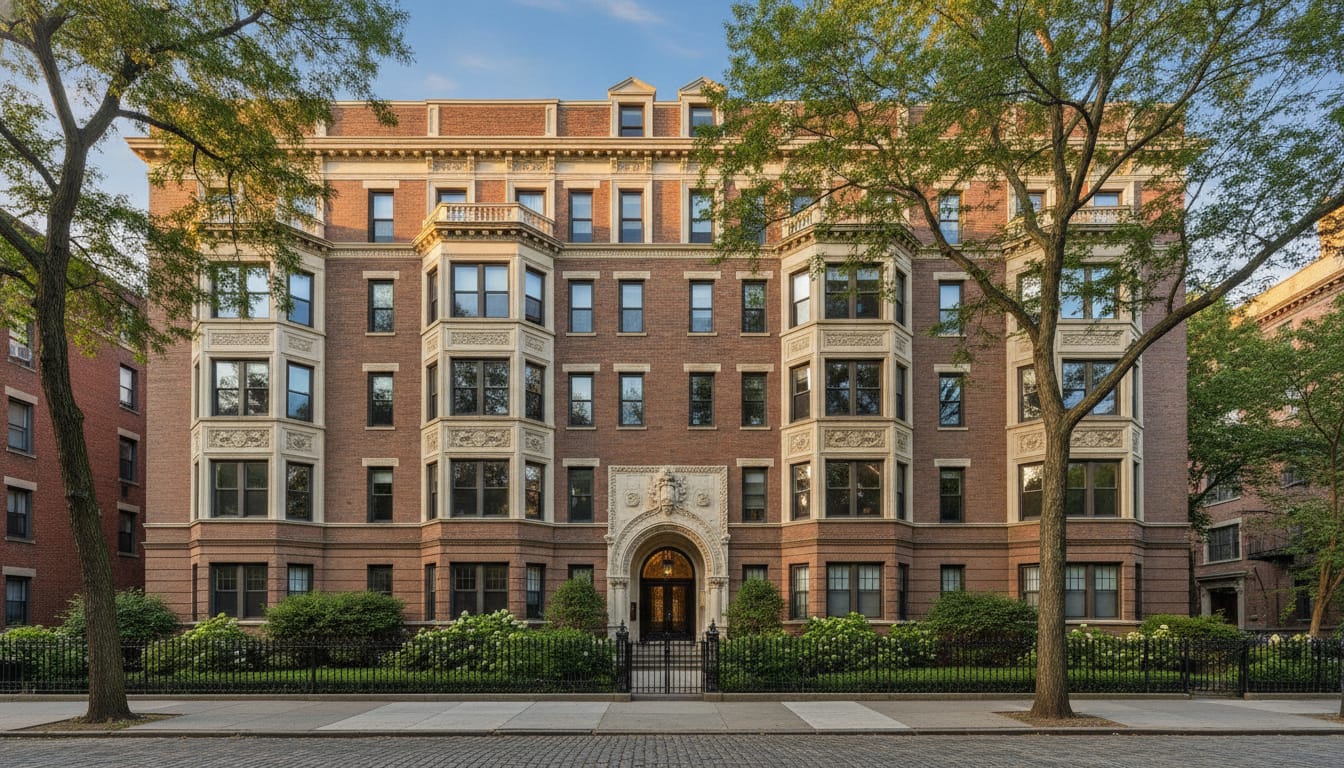
Most Washington Heights co-ops sit in prewar buildings, and the apartment is only half of what you are buying. The building is the other half. Before you make an offer, I review the board minutes, the financials, and the reserve fund. That is where you find out whether a facade repair or an elevator replacement is coming, and whether the building plans to pay for it with a reserve or with an assessment charged to shareholders.
Maintenance is the other line to read carefully. A low maintenance charge can be a healthy building or a building that is underfunding itself. The board minutes tell you which. This review is standard on every co-op I help a buyer purchase, and it has talked clients out of more than one apartment that looked perfect on the surface.
Getting around: the A, C, and 1 trains
Washington Heights is served by the A and C trains at the 168th and 175th Street stations and the 1 train along Broadway, with the A running express to Midtown and below. Fort Tryon Park sits at the northern end of the neighborhood. Where a co-op sits relative to those stations and that park shows up in the price, so it is worth weighing commute and green space against the per-square-foot number when you compare buildings.
Your buying timeline, start to closing
A Washington Heights co-op purchase moves through a predictable set of stages:
The co-op buying path
1. Get your financing in order. A mortgage pre-approval and a clear picture of cash after closing. 2. Sign a Buyer Representation Agreement. Since the 2025 REBNY rule, this is required before showings. 3. Tour and offer. Offers on co-ops are negotiated, then accepted in writing. 4. Contract and board package. Your attorney handles the contract while you assemble the package. 5. Board review and interview. Approval clears the way to closing. 6. Closing. Shares and the proprietary lease transfer to you.
Budget for closing costs on top of your down payment. They run lighter on co-ops than on condos, but they are real money, and my NYC closing costs breakdown shows what to expect line by line.
Frequently asked questions
Is a co-op cheaper than a condo in Washington Heights?
Usually, yes. Co-ops in Washington Heights closed at a median of $520,000 recently, and the co-op structure tends to price lower per square foot than a comparable condo. The trade-off is the board approval process and the financing limits a building can set.
How much do I need to put down on a Washington Heights co-op?
It depends on the building. Many co-ops require a minimum of 20% to 25% down, and some HDFC buildings ask for more. The listing or the managing agent will confirm the building's rule, and I check it before you tour so there are no surprises.
Can a co-op board reject me?
Yes. A co-op board can decline an applicant and is not required to give a reason, as long as the decision does not violate fair housing law. A strong board package and a realistic debt-to-income ratio are your best protection against a decline.
What is the difference between an HDFC co-op and a regular co-op?
An HDFC co-op carries a household income cap and resale restrictions in exchange for a lower price. A standard co-op has no income cap. Both involve a board. Confirm which one a listing is before you get attached to it.
Ready to buy a co-op in Washington Heights?
I live in the neighborhood and have brokered NYC co-op deals since 2001. I will read the buildings, prep your board package, and represent you start to finish.
Send the address you are looking at. The report covers what the listing leaves out: the recorded sale history, the tax and abatement picture, open building violations and permits, and the closed sales that set the price. Milton prepares it from public records. No obligation.
Get NYC market insights delivered to your inbox
New listings, market data, and expert analysis. No spam.