
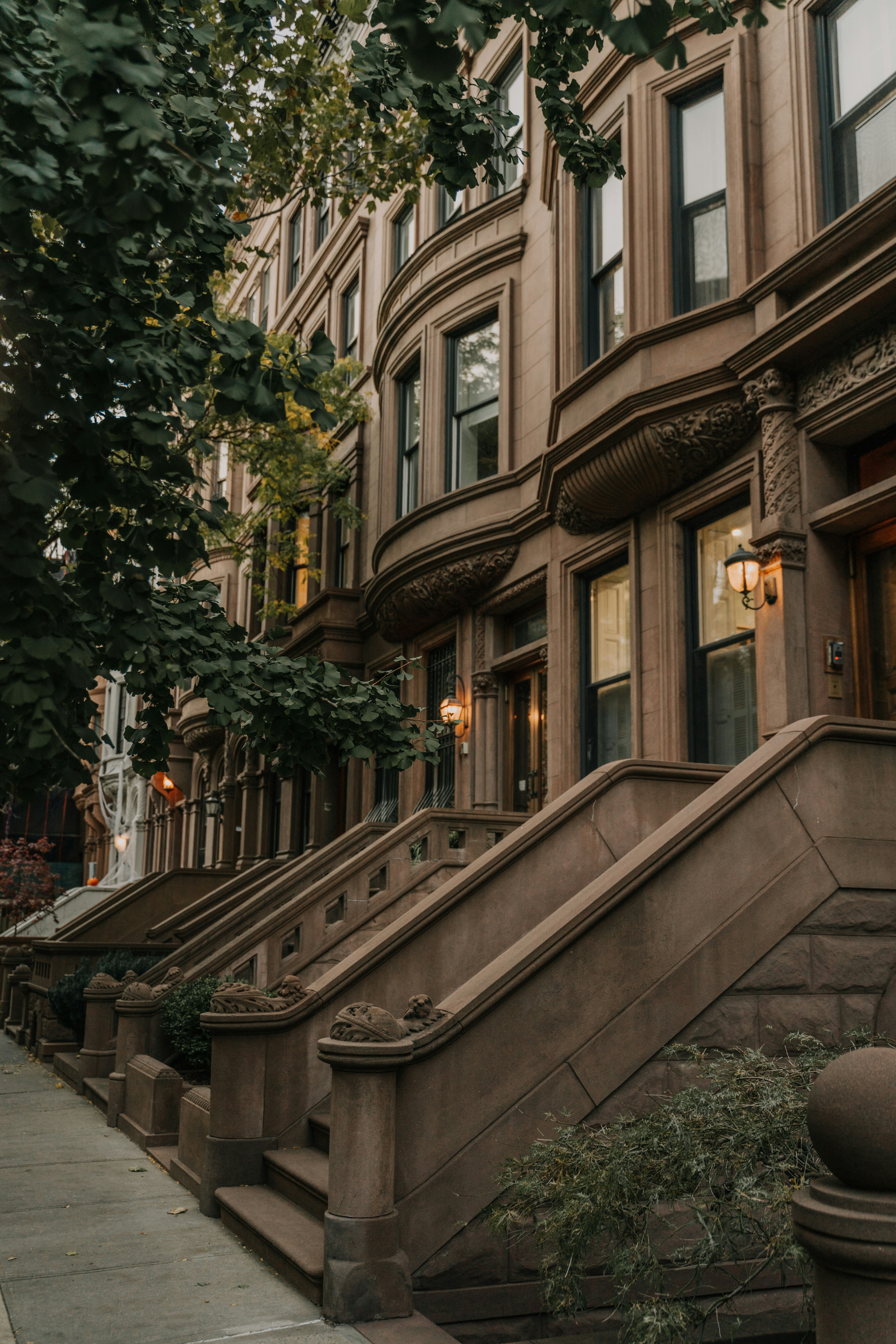
HDFC co-ops sell for 30% to 50% below market value, but permanent resale caps mean your $350,000 apartment might only sell for $400,000 a decade later. As someone who has helped dozens of income-qualified buyers purchase HDFCs in Washington Heights, Harlem, and the Lower East Side, I can tell you the savings are real, but so are the restrictions. Understanding the math before you buy is the difference between a smart investment and a financial trap.
What is an HDFC Co-op?
HDFCs are affordable housing cooperatives created through NYC tax incentive programs. They offer:
- Below-market purchase prices
- Low maintenance fees (due to tax abatements)
- Homeownership opportunity for income-qualified buyers
Income Requirements
Income limits are typically based on Area Median Income (AMI):
- Low-income HDFCs: ~80% AMI
- Moderate-income HDFCs: ~120% AMI
- Middle-income HDFCs: ~165% AMI
Limits vary by building and household size. Always verify with the specific building.
Resale Restrictions
HDFC units have resale price caps, typically calculated based on:
- Original purchase price
- Approved capital improvements
- Annual appreciation cap (varies by building)
Financing HDFCs
Financing can be challenging but is possible:
- Some lenders specialize in HDFC loans
- Higher down payments may be required
- Building must be approved by lender
Finding HDFC Listings
- NYC Housing Connect
- StreetEasy (filter for HDFC)
- Work with a broker experienced in HDFCs
- HPD resources
How Do You Qualify for an HDFC Co-op?
HDFC qualification centers on one question: does your household income fall below the building's AMI ceiling? Most HDFCs in Manhattan cap buyers at 120% of Area Median Income. For 2025, that means a single buyer can earn up to $136,080 and a family of four up to $194,400. Some buildings set lower thresholds at 80% or 90% AMI.
Beyond income, boards look at debt-to-income ratio (most want under 30%), liquid reserves (6-12 months of maintenance), and stable employment history. I have seen boards approve buyers with non-traditional income sources, including freelancers and gig workers, as long as two years of tax returns showed consistency. The board package is similar to a standard co-op application, but income verification is stricter because the building's tax exemption depends on maintaining affordable occupancy.
Is an HDFC Apartment a Good Investment?
It depends on your definition of investment. If you are looking for a place to live at 30-50% below market rate with maintenance under $800/month, an HDFC is one of the strongest value propositions in NYC. A 2BR in Washington Heights with $650/month maintenance that would cost $2,800/month to rent saves you over $25,000 per year in housing costs.
As a speculative investment, HDFCs have a hard ceiling. Resale price caps (usually tied to a formula the board sets) mean your apartment will not appreciate at the same rate as a market-rate co-op. In my experience, HDFC owners who hold for 10+ years still build substantial equity, but the real return is in the years of below-market housing costs, not in a windfall sale.
Can You Make a Profit Selling an HDFC Apartment?
Yes, but the profit is capped. Most HDFC buildings calculate a maximum resale price using a formula that accounts for your original purchase price, a fixed annual appreciation rate (often 3-5%), and any approved capital improvements. A unit purchased for $180,000 in 2016 might have a maximum resale price around $250,000-$280,000 in 2026 under a typical formula.
The flip tax in HDFCs also tends to be higher than market-rate co-ops, often 20-30% of profit, and the board has first right of refusal plus income requirements for the next buyer. Selling takes longer because the buyer pool is smaller. I typically tell HDFC sellers to budget 4-6 months for the full sale cycle.
What Are the Disadvantages of Buying an HDFC?
The biggest drawback is the income ceiling on resale. If your income rises above the AMI limit while you own, you can stay, but if you need to sell, you are still subject to the resale cap. Other disadvantages include limited financing options (fewer banks lend on HDFCs), deferred maintenance in some buildings where the board ran low on reserves, and subletting restrictions that are stricter than standard co-ops.
Some HDFCs also carry building-level debt from their original conversion that can result in special assessments. Before buying, I always pull the building's financial statements and look at the reserve fund, outstanding liens, and any pending HPD violations. Two of the last five HDFC deals I worked on required negotiating a credit for deferred building repairs.
What Is the Difference Between an HDFC and a Regular Co-op?
HDFC Co-op
- Income limits for buyers (AMI-based)
- Below-market purchase prices ($150K-$500K typical)
- Resale price capped by board formula
- Property tax exemption (J-51 or DAMP)
- Maintenance often under $800/month
- Fewer lending options
- Higher flip taxes on resale
Market-Rate Co-op
- No income ceiling for buyers
- Market-rate pricing ($400K-$3M+ in Manhattan)
- No resale price restrictions
- Standard property tax treatment
- Maintenance varies widely ($700-$3,000+)
- Most banks offer financing
- Flip tax typically 1-3% of sale price
Would You Buy a 3BR HDFC Co-op for $270K?
This question comes up constantly, most recently in a Reddit thread where a buyer was weighing a 3BR HDFC in Upper Manhattan listed at $270,000 with $900/month maintenance. The math works like this: at 90% financing ($243K mortgage at 6.5%), your monthly cost is roughly $1,535 for mortgage plus $900 maintenance, totaling $2,435/month. A comparable 3BR rental in the same area runs $3,200-$3,800/month.
That is $800-$1,300/month in savings from day one, before accounting for the mortgage interest deduction and equity buildup. The catch is that your resale upside is capped, and if the building has deferred maintenance, you could face assessments. In my experience, the answer is almost always yes for buyers who plan to stay 5+ years and whose income qualifies. The monthly savings alone justify the purchase, even with the resale limitations. The key is due diligence on the building's financial health before you commit.
Interested in HDFCs?
I specialize in HDFC transactions and can help you navigate the unique requirements.
Read HDFC FAQ Get HDFC Help