Inwood NYC Real Estate Guide: Buying and Selling in 2026
What Manhattan's northernmost neighborhood costs to buy, what your co-op is worth, and how it actually trades
Milton Coste, Licensed Real Estate Associate Broker•Keller Williams NYC•NY Lic. #10301213304
July 22, 2026• 9 min read•25+ Years Experience
Inwood co-ops carry a median sale price of $355,000, the most affordable entry point to Manhattan co-op ownership on the island. Condos in the neighborhood run lower still at a $270,000 median. I grew up in Inwood and Washington Heights, and I have closed 221 transactions in Inwood since 2001, so I know which buildings have underlying mortgages coming due, which board packages move fast, and which blocks trade at a premium to the neighborhood median.
This guide covers both sides of an Inwood transaction: what your unit is worth if you sell, and what buying here costs and requires in 2026. For live inventory and price trends, see the Inwood market report.
Inwood by the Numbers
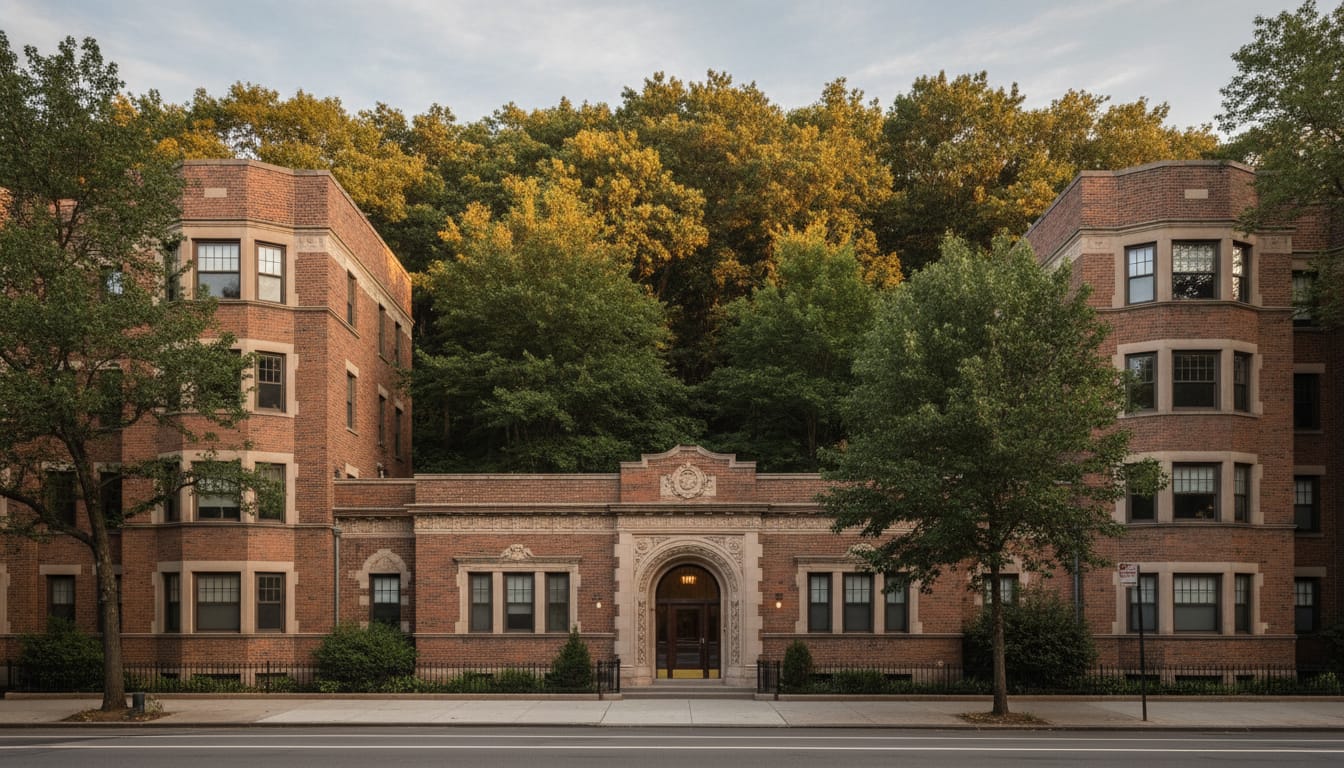
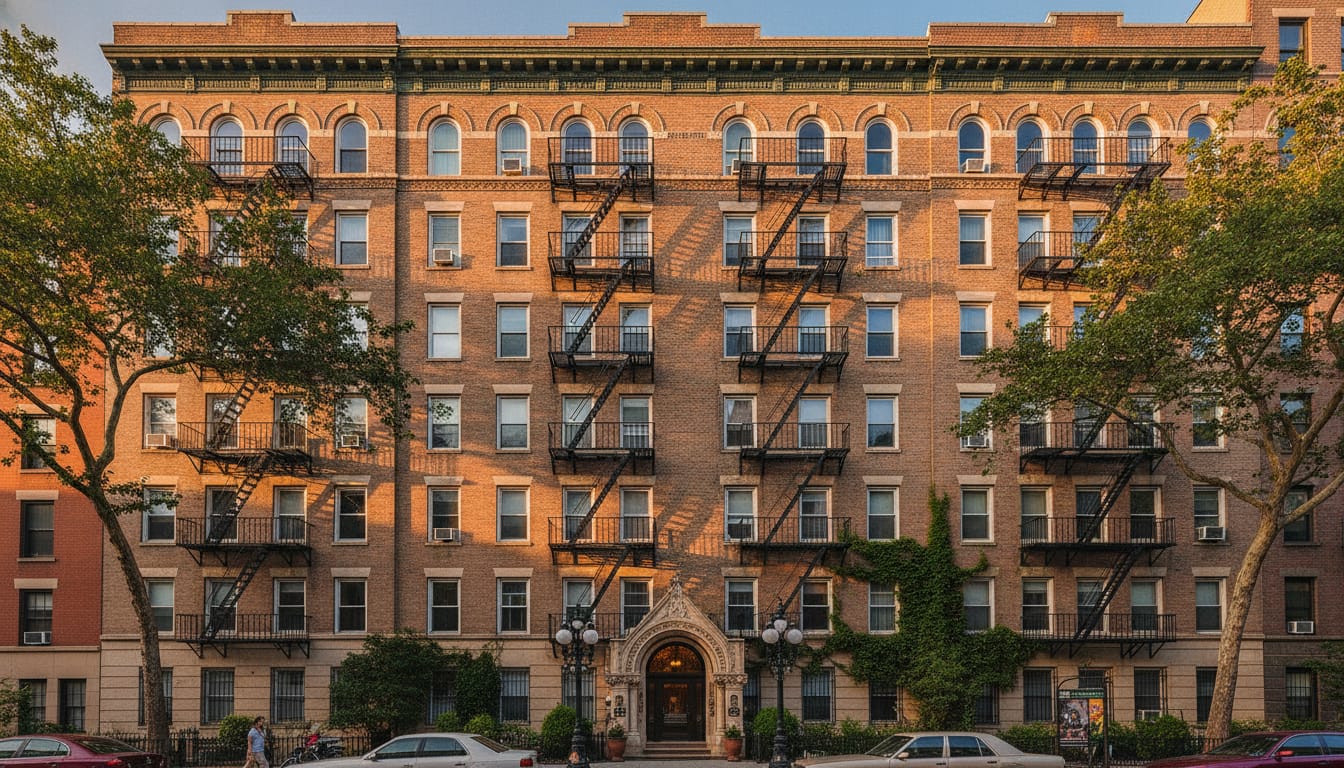
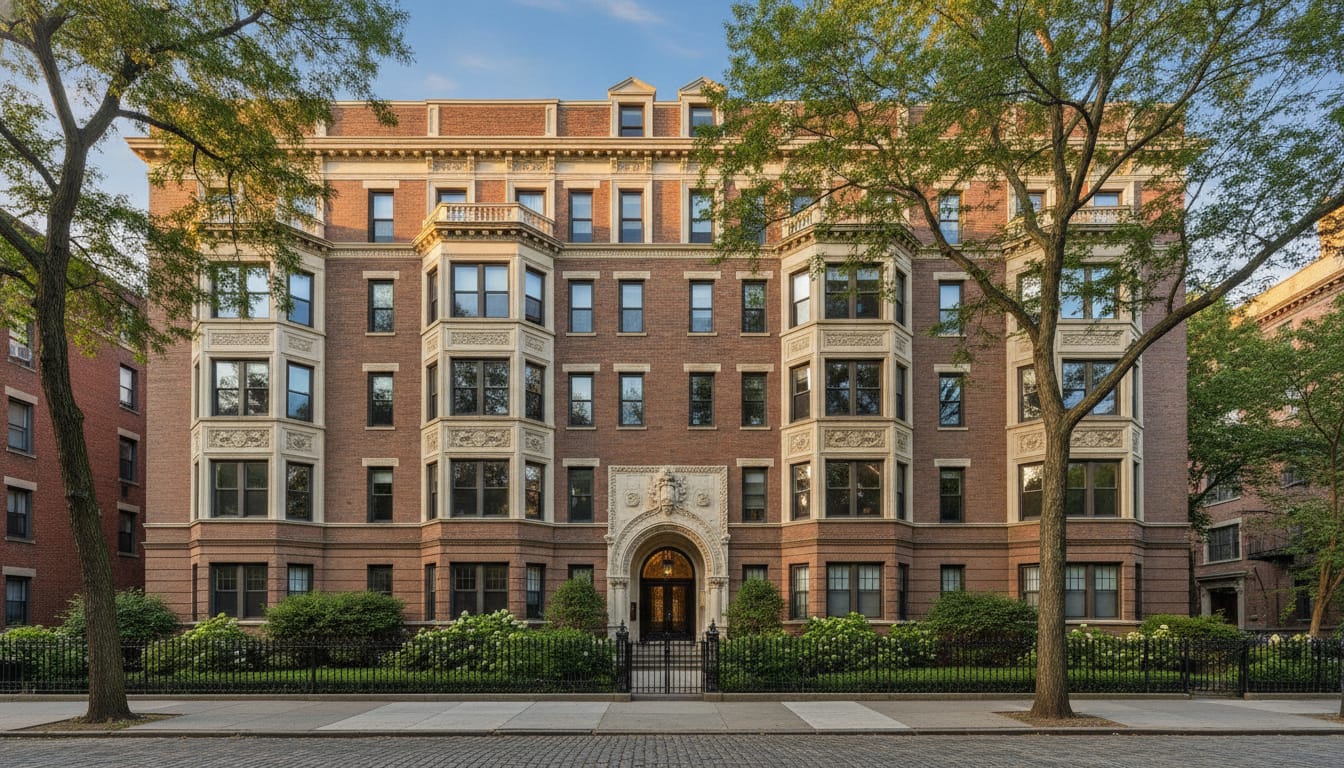
Most Inwood sales are pre-war co-op apartments, with a smaller band of newer condo development near the Harlem River and the Dyckman Street corridor.
Metric
Inwood
Context
Median co-op sale price
$355,000
Most affordable co-op median in Manhattan
Median condo sale price
$270,000
Smaller inventory than co-ops
Median rent
$2,795/month
Down from a recent high near $3,225
Days on market
~116 days
Longer than Manhattan's tightest submarkets
Treat this table as a snapshot. The Inwood market report carries the live version, including active inventory and sale-to-list ratio.
What Your Inwood Co-op Is Worth
What your unit fetches depends on the building and the block more than in almost any other Manhattan neighborhood I sell in. Inwood is several markets, not one. Pre-war elevator buildings on Broadway and Seaman Avenue trade differently than walk-ups closer to the 1 train, and buildings with recently satisfied underlying mortgages trade differently than ones with a large mortgage still on the books.
Four things move an Inwood co-op's value most: the building's underlying mortgage balance and when it comes due, any flip tax in the proprietary lease, monthly maintenance relative to comparable units nearby, and whether the building allows subletting. A unit priced off the neighborhood median without these facts is priced wrong in either direction. I walk every Inwood listing and pull the building's financials before I set a number. For the full valuation approach, see how much your NYC apartment is worth, and for closing costs, including any flip tax, the seller net-proceeds guide itemizes every line.
Buying in Inwood: What to Expect
Inwood has the lowest per-square-foot entry point in Manhattan. Inventory is mostly pre-war co-ops, a smaller run of newer condos, and a limited supply of HDFC co-ops with income limits. Financing minimums vary by building, so get the board package requirements before you write an offer, not after.
Good fit for
• First-time buyers priced out of downtown Manhattan
• Buyers who want the A express train and want to stay on the island
• Investors comfortable with co-op board approval timelines
• Buyers eligible for HDFC income-restricted co-ops
Know before you offer
• Board approval timelines vary widely by building
• Some buildings carry underlying mortgages that affect maintenance
• Sublet policies differ significantly building to building
• Days on market run longer here than in high-turnover Manhattan submarkets
If an HDFC co-op is on your list, learn the income limits and resale restrictions before you tour. I cover the mechanics in the HDFC co-op guide. The first-time buyer programs guide covers down payment assistance that applies here as it does citywide.
Active Inwood Listings
Live data · Updated every 15 min · Source: REBNY RLS
Smaller walk-up buildings, some of the neighborhood's lowest price points
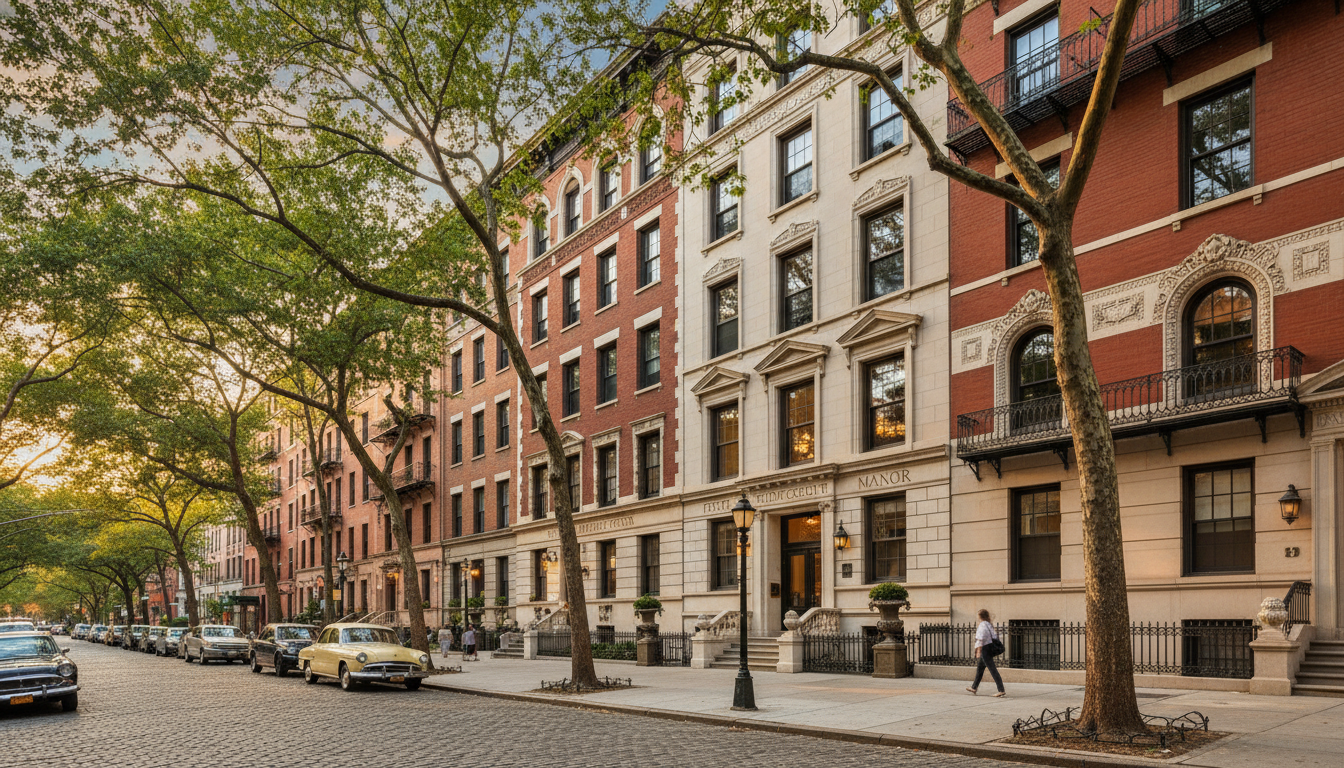
I have sold in every one of these pockets, and comps do not transfer cleanly between them. A unit's value depends on its pocket as much as on its condition.
Transit and Access
Inwood sits at the northern tip of Manhattan, served by the A express train at 207th Street and Dyckman Street, and the 1 train running local along Broadway. The A train reaches Midtown in roughly 30 minutes at rush hour, a shorter ride than from similarly priced outer-borough options.
Buying or Selling in Inwood?
221 closed transactions in this neighborhood since 2001. I know the buildings, the boards, and the blocks. Let's talk about your specific situation.
Send the address you are looking at. The report covers what the listing leaves out: the recorded sale history, the tax and abatement picture, open building violations and permits, and the closed sales that set the price. Milton prepares it from public records. No obligation.
Get NYC market insights delivered to your inbox
New listings, market data, and expert analysis. No spam.