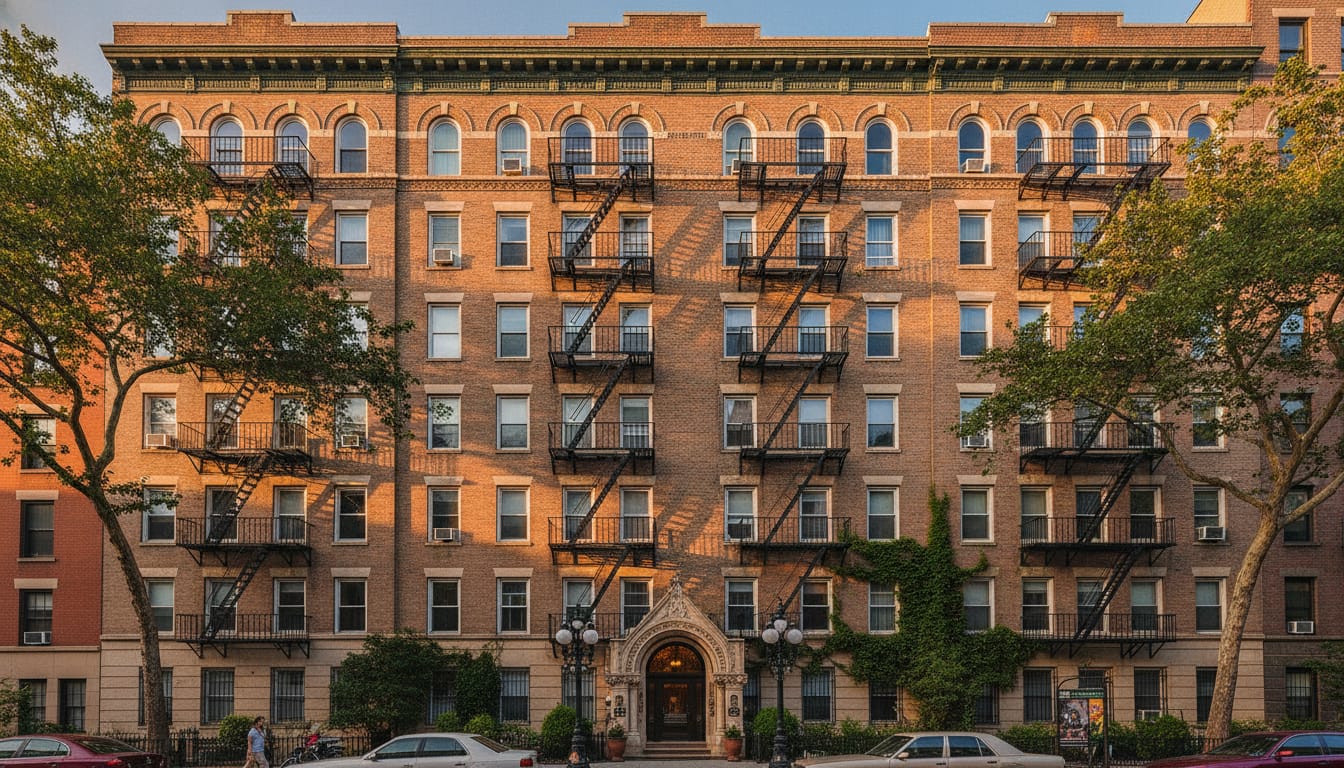
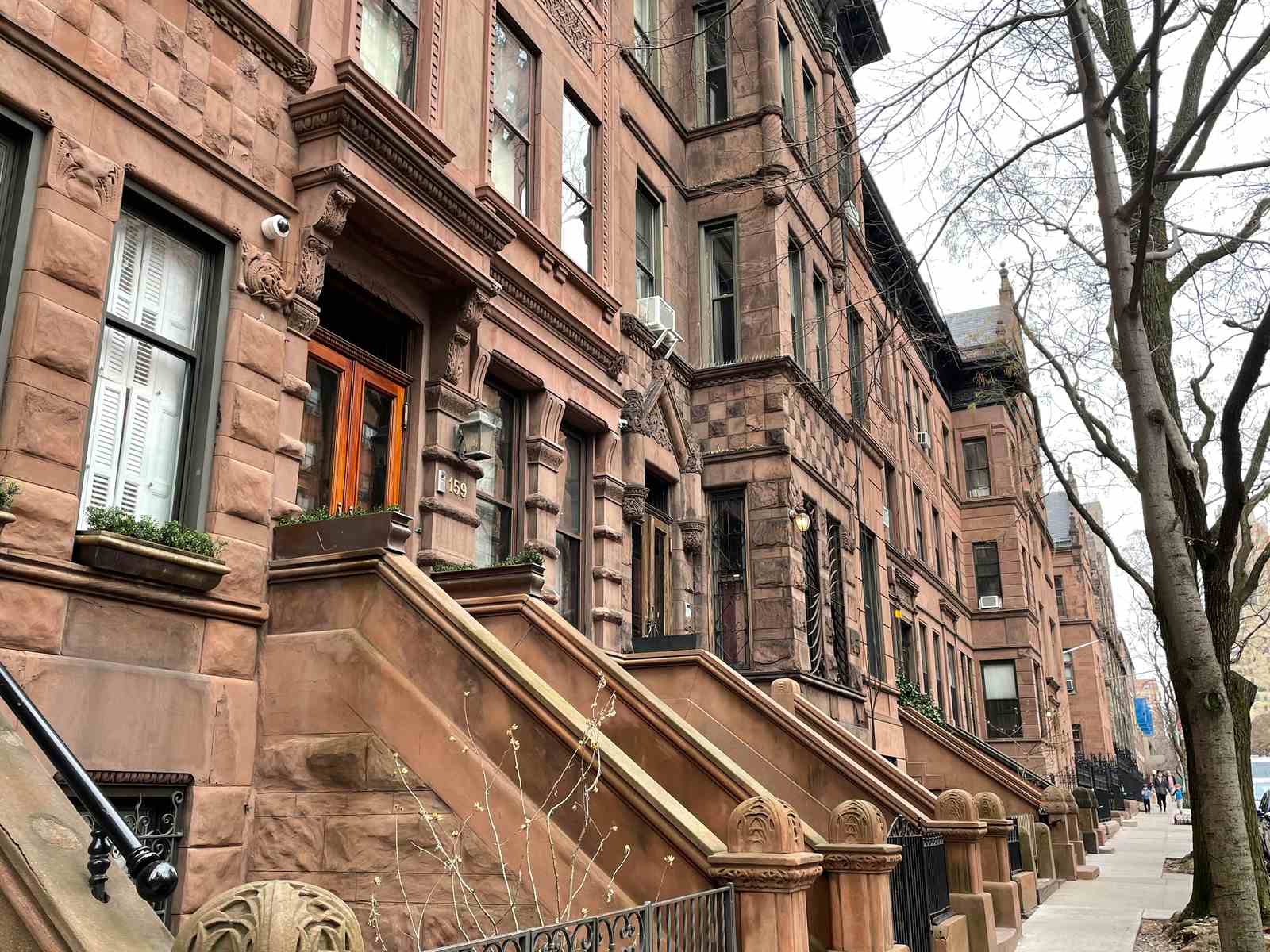
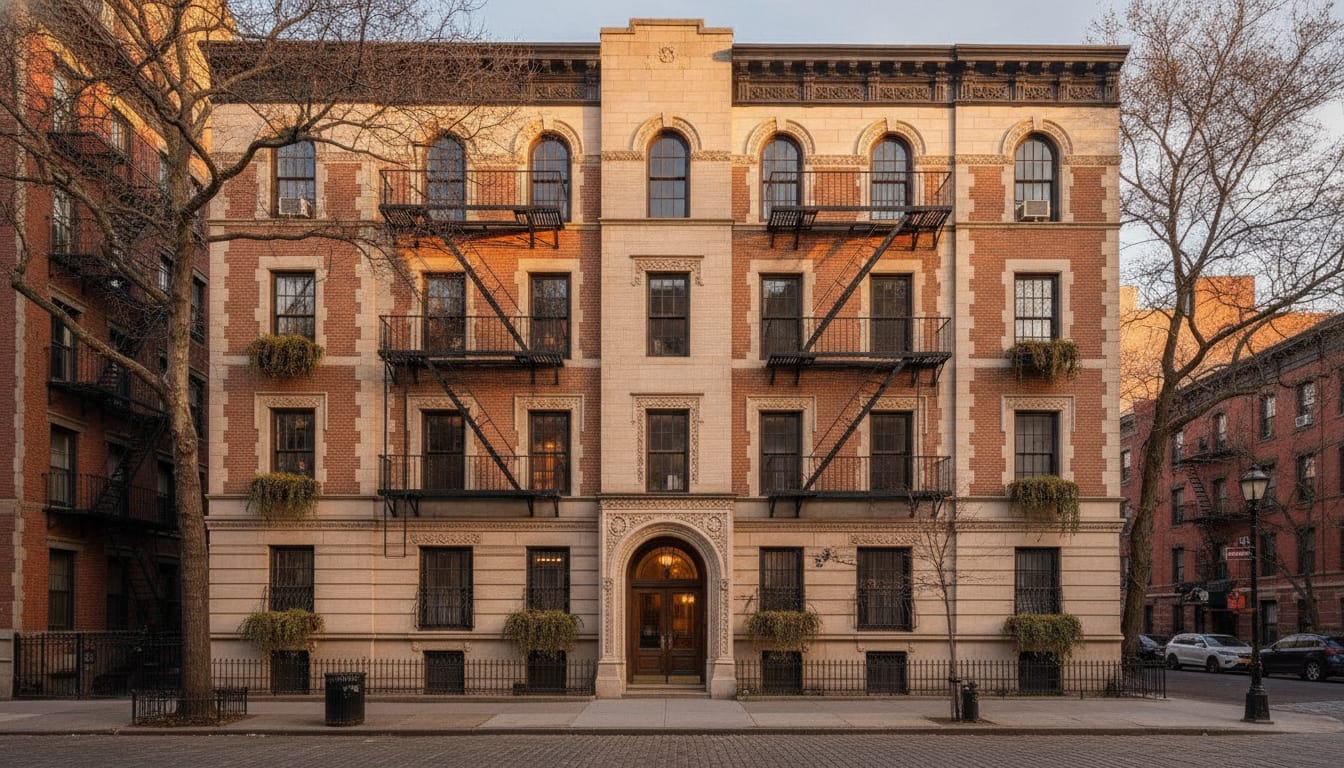
Inwood co-ops carry a median sale price of $355,000, and Riverdale's overall median ran $360,000 across the twelve months through April 2026 on 425 recorded sales. Both figures sit well under the number most people assume is the floor for owning in New York City. The sub-$500,000 band is real, it is larger than the search portals make it look, and it is almost entirely one product: co-op apartments.
Searchers type "affordable condos under $500,000" into Google every month. The honest answer is that condos are the smaller and pricier half of this price band in most of the city, and that a buyer who searches only for condos is looking at a fraction of what they could actually buy. I have been licensed since November 2001, with more than 1,100 transactions tracked at miltoncoste.com/listings across all five boroughs, and the sub-$500K search almost always ends in a co-op, an HDFC co-op, or an income-restricted program unit.
Where the Sub-$500K Inventory Actually Sits
Price bands in this city are set by property type first and geography second. The table below uses medians published in this site's own neighborhood guides. Every one of them is a median, meaning half of recorded sales closed above it and half below, and none of them is a quote on any specific apartment.
| Neighborhood |
Co-op median |
Condo median |
| Inwood, Manhattan | $355,000 | $270,000 |
| Rego Park, Queens | ~$275,000 | ~$555,000 |
| Kew Gardens, Queens | ~$375,000 | ~$272,000 |
| Forest Hills, Queens | ~$315,000 | ~$995,000 |
| Elmhurst, Queens | ~$300,000 | ~$670,000 |
| Riverdale, Bronx (all types) | $360,000 median, 425 recorded sales, twelve months through April 2026 |
Read the pattern rather than any single row. In four of those five neighborhoods the condo median sits far above the co-op median, and in Forest Hills the gap is roughly threefold. Kew Gardens runs the other way because its condo stock is small and different in size and vintage from its co-op stock, which is a good reminder that a borough-level rule is not a building-level fact. Staten Island and the Bronx carry the largest share of the city's lower price bands overall, and Upper Manhattan and central and eastern Queens carry most of Manhattan's and Queens' share.
Why Co-ops Dominate This Price Band
The sticker price of a co-op is lower for a structural reason, not because the apartment is worth less. A co-op buyer purchases shares in a housing corporation, and the monthly maintenance charge covers the building's property tax bill and the payments on the building's own underlying mortgage. A condo buyer owns real property and pays common charges plus a separate property tax bill, and there is no building-level debt bundled into the monthly figure.
So part of what a co-op buyer is not paying at the closing table shows up every month instead. That is why a $1,600 maintenance and a $1,600 common charge are not the same obligation, and why comparing two apartments on price alone will mislead you at any price point. The co-op versus condo comparison walks that difference through a full purchase.
The tradeoff is scrutiny. A condo board generally has a right of first refusal and little else. A co-op board reviews a full financial package, interviews the buyer, and can decline without stating a reason. That review is the price of admission to the band, and it is the single most common reason a sub-$500K deal falls apart after an accepted offer.
What Changes at This Price Point
Financing caps
Many co-ops cap how much of the price you may finance, and the building's minimum down payment can exceed the lender's 20%. Confirm the cap with the managing agent before you shop a price band, because it can move your search by $100,000.
Post-closing liquidity
Boards commonly expect one to two years of mortgage plus maintenance still in your accounts after closing. A convention, not a rule, and set by each corporation. On a lower price this is often the binding test, not income.
Walk-up versus elevator
A meaningful share of the band is walk-up buildings with no doorman and no elevator. That is a property fact worth pricing deliberately: fewer staff means lower maintenance, and a top-floor unit in a five-story building trades below the same layout in an elevator building.
Building financial health
Low maintenance is not automatically good news. Ask for the building's financial statements, the reserve balance, the underlying mortgage maturity date, and any assessment history. A cheap monthly figure with a thin reserve is a future assessment.

Active Co-ops Under $500,000
Live RLS inventory in the price band this guide covers
View All
Listing information provided courtesy of the Real Estate Board of New York's Residential Listing Service (RLS).
Information is deemed reliable but not guaranteed. Sale listings verified.
©2026 REBNY. RLS data displayed by Keller Williams NYC.
The Two Genuinely Below-Market Ownership Routes
Everything above is the open market. There is a separate inventory class priced below it by program rather than by negotiation, and it is where a sub-$500K budget goes furthest.
HDFC co-ops are the ones you can buy off the open market this month. Roughly 33,000 units across about 1,500 buildings operate under this structure, concentrated in Manhattan with real supply in Brooklyn and smaller counts in the Bronx and Queens. Purchase prices typically run 30% to 50% under comparable market-rate units, and maintenance is often lower because the building holds a property tax exemption. Each building sets its own income cap in its offering plan, commonly 80%, 120%, or 165% of Area Median Income. At 120%, that is $142,560 for a one-person household. The mechanics, including the resale formula and the flip tax that commonly runs 20% to 30%, are in the HDFC co-op buyer guide, and the eligibility check compares a household figure against the caps in about a minute. Current inventory is at HDFC co-ops for sale.
Mitchell-Lama co-ops and Housing Connect are the other two programs behind the same search term, and both run on waiting lists and lotteries rather than offers. How the three differ, and which one a given household can actually purchase into, is laid out in income-restricted apartments in NYC. All qualified applicants have equal opportunity to apply to these programs, and the qualifying test is household income and household size, applied the same way to everyone.
See whether your household clears the HDFC income caps
Run the Eligibility Check
The Mortgage Math at This Price
Two answers govern what you can buy in New York City: your lender's and the co-op board's, and the board's is usually the smaller one. Boards commonly look for a housing burden near 25% to 30% of gross income alongside that liquidity expectation, and the affordability guide walks income to purchase price step by step. The board readiness check runs your own figures against both bands.
Two things work in your favor below $500,000. The mansion tax starts at $1,000,000, so it does not touch this band at all. And a co-op purchase carries no mortgage recording tax and no title insurance, the two condo line items that push a buyer's cash-to-close higher. Buyer-side closing costs commonly land between 2% and 6% of the price depending on property type and financing, and the line-by-line stack is in the co-op versus condo buyer cost breakdown.
Programs That Move the Cash
When the constraint is cash rather than income, which is the usual case in this band, the assistance programs are the lever. NYC HPD lists HomeFirst assistance of up to $100,000 toward a down payment or closing costs for qualified first-time buyers purchasing a co-op, condo, or 1-4 family home in the five boroughs, with an HPD-approved education course, a 3% buyer contribution, and income limits attached. The details are in the HomeFirst guide, and borough-level and profession-linked programs are collected in first-time buyer programs by borough.
The Short Version
- Under $500,000, the inventory is mostly co-op. Searching condos only removes most of the band from view.
- Co-op prices sit lower because maintenance carries the building's property taxes and underlying mortgage. Board review is what you trade for it.
- Financing caps and post-closing liquidity decide more deals in this band than income does. Confirm both per building.
- HDFC co-ops trade on the open market at prices typically 30% to 50% under comparable market-rate units, with a per-building income cap.
- No mansion tax below $1,000,000, and no mortgage recording tax or title insurance on a co-op. Closing costs still run 2% to 6%.
Want the Sub-$500K List That Fits Your File?
Milton Coste, Licensed Real Estate Associate Broker, has been licensed since November 2001, with more than 1,100 transactions tracked at miltoncoste.com/listings across all five boroughs, and represents both buyers and sellers on HDFC co-ops.
Schedule a Free Consultation
This is planning context, not legal, tax, or financial advice. Medians cited come from this site's neighborhood guides and are historical, not predictions or quotes on any apartment. Program limits, building income caps, financing caps, and board financial standards are set by each program and each co-op corporation and change over time. Confirm your own figures with the managing agent, an HPD-approved counselor, and a New York real estate attorney before you sign a contract. The NYC buyer guide and the co-op buying FAQ cover the rest of the purchase sequence.
Before you bid
Get a Pre-Offer Report on any NYC apartment
Send the address you are looking at. The report covers what the listing leaves out: the recorded sale history, the tax and abatement picture, open building violations and permits, and the closed sales that set the price. Milton prepares it from public records. Free, no obligation.
Get NYC market insights delivered to your inbox
New listings, market data, and expert analysis. No spam.
We respect your privacy. Unsubscribe at any time.